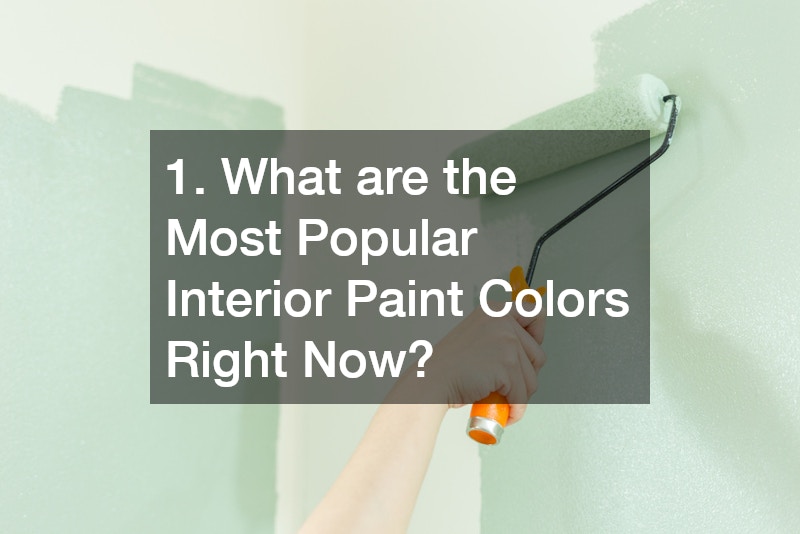
This section introduces the topic of recommended interior paint colors by paint dealers, highlighting their importance in enhancing the aesthetic appeal of living spaces. Paint dealers have a unique insight into color trends and consumer preferences that make their recommendations invaluable when redesigning a home. The right paint color can transform a room, influencing mood, perception, and even the functionality of a given space.
As experts in the field, paint dealers understand the balance of current trends and timeless palettes that can satisfy diverse preferences. Consulting with these professionals can result in selections that not only refresh a space but align with both design goals and personal preferences.
1. What are the Most Popular Interior Paint Colors Right Now?
1.1 Why Certain Colors Are Trending
Today’s most popular interior paint colors are a reflection of broader trends in society, such as a desire for calmness and connection to nature. Earthy tones and muted palettes are dominating, with shades like sage green and stone gray being particularly prominent. These colors evoke tranquility and resilience, appealing to individuals navigating a busy world. Neutral undertones serve a dual purpose, allowing freedom in interior design while promoting a serene environment. Paint dealers note that such colors often illustrate a homeowner’s inclination towards creating a safe haven.
1.2 Popular Neutral Colors
Neutral colors remain a staple recommendation from paint dealers, thanks to their versatility and timeless appeal. Shades like beige, taupe, and greige find favor for their ability to blend seamlessly with a wide range of furnishings and décor styles. Neutrals create an open, airy feel, and often serve as a perfect backdrop for other decorative elements to shine. Moreover, neutral tones offer longevity, maintaining their aesthetic appeal through changing trends and seasons. Paint dealers often suggest these shades when clients seek a foundation that won’t require frequent updates.
1.3 Bold and Vibrant Paint Choices
While neutrals are favored for their adaptability, bold and vibrant colors are gaining popularity among clients looking for a unique and personal touch in their homes. Jewel tones such as deep blue, emerald green, and rich plum provide a dramatic flair that many find appealing for accent walls or statement rooms. These colors can add warmth and depth, transforming a space into a lively, inviting area. Paint dealers encourage their use to reflect personality and create focal points within a room. The careful balance of vibrancy with understated elements can yield stunning results.
1.4 Seasonal Color Trends
Painting with the seasons in mind can introduce a dynamic element to interior design, according to paint dealers. In spring and summer, lighter hues like soft pastels and sun-kissed yellows mimic the playfulness and warmth of the seasons. Autumn often welcomes richer tones, including terracotta and mustard, which captivate with their coziness. Winter, on the other hand, tends to favor deep blues and grays that echo the serene coldness outside. By understanding these seasonal trends, homeowners can work towards creating a home that feels alive and attuned to the time of year.
1.5 Expert Predictions for Future Popularity
Paint dealers often use their knowledge of market dynamics and consumer behavior to forecast future paint color trends. With a growing focus on sustainability, expect to see eco-friendly palettes featuring natural dyes and earthy tones continuing to rise in popularity. As digital technology dominates more aspects of life, soothing and focus-enhancing colors might become a mainstay in home offices. Additionally, color experts anticipate an increase in custom color mixing, whereby unique shades tailored to individual tastes and aesthetic needs gain favor. These predictions offer a glimpse into the evolving landscape of interior design preferences.
2. How Do Paint Dealers Decide Which Colors to Recommend?
2.1 Market Research and Consumer Preferences
Understanding consumer preferences through market research is essential for paint dealers in determining which colors to recommend. Regularly conducted surveys and focus groups reveal shifts in popular opinion and emerging preferences. Dealers utilize this data to stock the most desirable colors and guide their clients accordingly. Market research also alerts dealers to regional variations in color trends, allowing them to tailor recommendations to local tastes. By tapping into these insights, paint dealers ensure their advice is relevant and in line with current demands.
2.2 Influence of Interior Design Trends
Interior design trends greatly influence the suggestions paint dealers make concerning color choices. As the design world embraces themes such as minimalism or maximalism, those influences trickle down into the palettes made available. Paint consultants monitor trade shows, online publications, and design forums to keep abreast of what’s trending in the industry. These evolving aesthetics provide a rich source of inspiration for the colors dealers recommend. By aligning color suggestions with design movements, paint dealers help clients achieve stylish, coherent home environments.
2.3 Feedback from Professional Painters
Paint dealers also rely on feedback from professional painters who offer unique insights based on practical experience. These industry professionals have firsthand knowledge of how paints perform under various conditions and which colors are consistently popular among clients. Painters often share their observations on color application, durability, and client satisfaction, providing dealers with invaluable information. In turn, this feedback informs which colors dealers stock and recommend. The collaborative relationship ensures paint choices that satisfy aesthetic desires while meeting practical demands.
2.4 Impact of Technological Advances in Paint
Technological advancements have revolutionized the paint industry, influencing the colors that dealers recommend. Innovations such as low VOC (Volatile Organic Compounds) options and self-cleaning paints appeal to environmentally-conscious consumers. Furthermore, new pigment technologies have expanded the range of vibrant colors available, opening new design possibilities. Dealers educated in these advancements can guide clients towards products that offer both beauty and superior performance. By bridging the gap between technology and design, they enhance the value of their recommendations.
2.5 Role of Brand Philosophy and Core Values
The brand philosophy and core values of paint companies play a crucial role in shaping what dealers recommend. Brands that prioritize sustainability or local sourcing may focus on earth-friendly colors and techniques. Dealers align their offerings with these philosophies to present a consistent brand image to consumers. Furthermore, alignment with brand values reflects in dealers’ trust in the products they recommend and reassures clients of quality. Such integrity is a vital component of building long-term relationships with clients, creating loyalty to both the dealer and the brand.
3. What Are the Best Paint Colors for Specific Rooms?
3.1 Living Room Color Recommendations
The living room functions as a central gathering place and should reflect warmth and hospitality. Paint dealers typically recommend earthy tones or soothing blues, which imbue the space with tranquility and comfort. Living rooms benefit from adaptable shades that complement changing decor, allowing the space to feel dynamic and inviting. Neutral tones allow for seasonal accessorizing, while logs or deeper shades can offer a more permanent touch of sophistication. The right color choice can transform a living room into a welcoming hub of the home.
3.2 Bedroom Paint Color Ideas
Bedrooms call for colors that promote rest and relaxation, which is why paint dealers often suggest soft pastels and muted earth tones. Soft pinks, lavender, and pale blues create a calming atmosphere conducive to restful sleep. These shades visually soften the space, making it feel like a private sanctuary. Paint dealers often encourage experimenting with subtle hues to encourage serenity without overwhelming the senses. Neutral undertones that lack sharp contrasts also contribute to a peaceful nighttime retreat.
3.3 Kitchen and Dining Area Colors
In the kitchen and dining areas, colors should stimulate appetite and energy, leading dealers to recommend warmer tones such as terracotta, yellows, or sage green. Such hues add a sense of warmth and make these high-traffic, social spaces feel cozy and welcoming. Paint specialists may also suggest shades of white and gray to create a clean, modern look that allows for versatile decor choices. By balancing vibrant tones with more subdued accents, homeowners can enhance the design without overwhelming the senses. The result is an energizing space conducive to social interaction and culinary creativity.
3.4 Bathroom Paint Choices
Bathrooms can greatly benefit from refreshing colors that enhance the sense of cleanliness and space. Light blues, whites, and gentle grays are popular choices recommended by dealers for their calming, hygienic appeal. These shades make smaller spaces look larger and evoke a spa-like atmosphere ideal for relaxation. Bold colors can be used sparingly to add character to bathrooms while maintaining a serene overall atmosphere. Moreover, paint choices exemplifying water resistance and durability guarantee the long-lasting beauty and functionality of the space.
3.5 Home Office and Workspace Recommendations
The rising popularity of remote work has placed home office design at the forefront of interior priorities. Paint dealers suggest colors that promote focus and productivity, such as muted greens, calming grays, and soft blues. These tones create an environment that decreases stress while enhancing mental clarity. Incorporating colors that provide a clear distinction between personal and professional spaces ensures a balanced lifestyle. This thoughtful approach to color selection contributes significantly to work-from-home success by helping individuals feel motivated and balanced.
4. How Can Paint Colors Influence Mood and Perception?
4.1 Colors that Promote Calm and Relaxation
Colors have a profound impact on mood and can significantly enhance relaxation when appropriately applied. Soft, muted shades such as sage green, pale blue, and beige are favored for their calming qualities. These colors help create spaces where stress dissipates, resulting in environments conducive to unwinding. Paint dealers recommend these tones for sanctuaries like bedrooms and reading nooks, where tranquility is essential. The soothing nature of well-chosen colors reflects in the creation of calming atmospheres throughout the home.
4.2 Energizing and Stimulating Paint Colors
To foster energy and stimulation, vibrant colors harness the psychological effects of brightness and saturation. Reds, fiery oranges, and bold yellows invigorate spaces, making them perfect for places where interaction and activity are central, like kitchens and workout areas. Used wisely, these colors heighten alertness and motivation without becoming overwhelming. Paint dealers assist in balancing these colors with neutral shades, preventing overly stimulating environments. Through strategic applications, color can become a tool for enhancing emotional vitality within specific rooms.
4.3 Colors for Focus and Productivity
In rooms dedicated to work or study, paint colors fostering focus and productivity are a top priority. Researchers have shown that certain hues, like blue, green, and light purple, can enhance concentration and mental clarity. Dealers often propose these shades for creating home offices or study areas that encourage effective output. Balance with accents of white or lighter neutrals ensures an environment that reduces distractions while remaining visually interesting. By tailoring color choices, individuals can optimize their performance and comfort in workspaces.
4.4 Psychological Effects of Color Combinations
Combining colors expands the spectrum of emotional and psychological influence, a point often explored by paint dealers. Certain color pairings, like blue and yellow or black and white, elicit varied emotional responses that can significantly alter a room’s atmosphere. Complementary colors can create harmony and balance, whereas contrasting shades draw attention and define spaces. Skilled use of these combinations allows for a curated symphony of moods within a home. Paint dealers provide insight into these dynamics, enabling comprehensive design approaches.
4.5 Cultural and Personal Interpretations of Color
Color perception is inherently subjective and can differ across cultural and personal contexts, a factor paint dealers consider when advising clients. Cultural heritage and individual experiences shape the meanings attributed to different colors, impacting decisions. For instance, red might symbolize luck in one culture but evoke restlessness in another. Dealers aim to respect and embody these diverse interpretations within satisfying design solutions. Understanding these nuances ensures purposeful color choices aligned with client identities and aspirations.
5. What Are Some Common Mistakes to Avoid When Choosing Paint Colors?
5.1 Misjudging the Influence of Light
One of the most common mistakes in paint selection is failing to consider how light affects color perception. Natural and artificial lighting conditions can dramatically alter a paint color’s appearance, leading to unexpected results. Paint dealers encourage clients to test samples at different times of day to observe color shifts. This practice ensures that chosen colors consistently appear as intended, avoiding disappointment. By understanding how light interacts with paint, homeowners can make informed choices enhancing the home’s aesthetic harmony.
5.2 Overlooking the Role of Paint Finishes
The finish of a paint is as critical as the color itself, a detail sometimes overlooked during the selection process. Gloss, satin, matte, and other finishes influence the final appearance and texture of a painted surface. For example, a gloss finish may highlight imperfections whereas matte can hide them, making each suitable for specific applications. Paint dealers emphasize the importance of matching finishes to both color and room functionality. Incorporating the appropriate finish ensures longevity and desired effects for any painted surface.
5.3 Ignoring Existing Decor and Furnishings
A harmonious living space requires consideration of existing decor and furnishings when choosing paint colors. Dealers advise selecting shades that complement rather than clash with furniture, fixtures, and accents. This step ensures coherence and avoids creating a fragmented, discordant environment. Paint samples can be placed alongside current items to determine compatibility with the overall color scheme. By taking a comprehensive view, clients can achieve visually appealing spaces that seamlessly integrate with their homes.
5.4 Choosing Colors Based on Trends Alone
While trends offer valuable inspiration, choosing colors solely based on popularity can lead to dissatisfaction over time. Personal taste and the functionality of a space should guide decisions to ensure lasting appeal. Paint dealers aim to merge individual style preferences with current trends, crafting recommendations tailored to the client. By focusing on a timeless approach tempered by trendy accents, homeowners can create a space that feels personalized yet modern. This balanced strategy prevents premature obsolescence and maximizes enjoyment of the painted space.
5.5 Not Testing Colors Before Committing
Failing to test paint colors on a small scale before full application is a common oversight. Dealers recommend purchasing small samples, painting patches on different walls, and observing them under varying light conditions. This practical approach prevents expensive and time-consuming mistakes, allowing for last-minute adjustments. Testing ensures that the final selection meets expectations at every level. By incorporating this step into the process, homeowners take control over the outcome, avoiding regrets and achieving their design vision.
Color selection is integral not only to the aesthetics of a room but also to the moods and experiences one has within a space. Expertise from a paint dealer can guide a homeowner in making choices that reflect personal style while also meeting functional and emotional needs. Ultimately, paint can refresh and renew a space, making it a vibrant part of a home. Expert consultations can lead to designs that captivate, inspire, and satisfy long-term desires.