
Deciding where to spend your renovation budget can feel overwhelming, especially when every contractor and home improvement show claims their project adds the most value. The truth is that some upgrades genuinely pay you back through higher resale prices, lower utility bills, or fewer repair headaches, while others simply look nice without moving the needle financially. This guide breaks down the exterior and interior projects that consistently deliver real returns, so you can prioritize your time and money wisely. Whether you are preparing to sell or just want your home to work better for years to come, these are the upgrades worth serious consideration.
Upgrading Your Front Entryway for Curb Appeal and Security
The front door is one of the first things buyers and visitors notice, and it plays a bigger role in resale value than most homeowners realize. Replacing an old, drafty door with a durable, well-insulated option consistently ranks among the highest return-on-investment projects in national remodeling reports. Beyond looks, a quality entry door improves energy efficiency and home security at the same time.
For homeowners in storm-prone regions, installing an impact front door is worth the extra investment because it protects against high winds, flying debris, and forced entry while still qualifying for insurance discounts in many areas. These doors are built with reinforced frames and laminated glass that hold up far better than standard models during severe weather events. The upfront cost is higher, but the combination of safety, insurance savings, and curb appeal makes it a smart long-term choice.
- Choose fiberglass or steel doors for the best balance of durability and cost
- Look for ENERGY STAR-rated doors to reduce heating and cooling loss
- Check local building codes if you live in a hurricane or high-wind zone
- Add a fresh coat of paint or new hardware to boost visual impact affordably
Keeping Your Home Comfortable Without Wasting Money
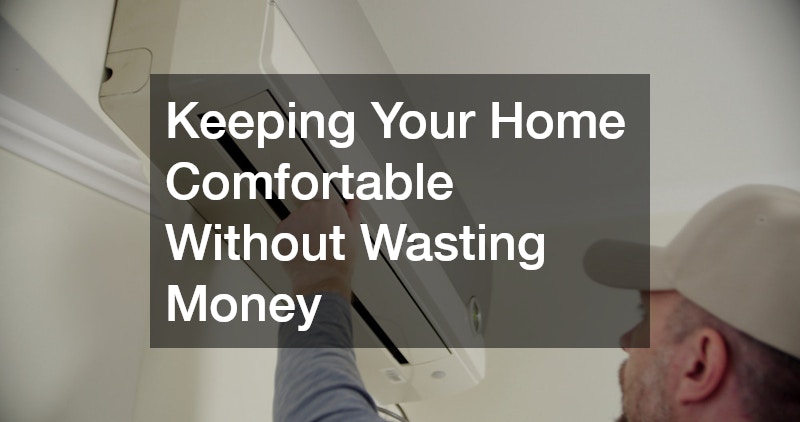
Heating and cooling systems are not glamorous, but they directly affect both comfort and monthly expenses, making them one of the more practical upgrades homeowners can make. An outdated or oversized unit can waste significant energy, while a properly sized system keeps temperatures consistent and lowers utility bills. Buyers also pay attention to the age and condition of a home’s HVAC system during inspections.
Scheduling professional ac installation when your current unit is more than twelve to fifteen years old often pays for itself through improved efficiency ratings and fewer emergency repairs. Newer systems use significantly less electricity than older models, and many utility companies offer rebates for upgrading to high-efficiency equipment. Getting a proper load calculation before installation ensures you are not overpaying for a system too large or too small for your square footage.
- Replace air filters every one to three months for peak efficiency
- Ask for a SEER rating comparison between old and new units
- Schedule annual maintenance to extend the lifespan of your system
- Consider a smart thermostat to maximize savings year-round
Defining Property Lines With Durable Boundaries
A well-built fence does more than mark property lines; it adds privacy, improves safety for pets and children, and can meaningfully boost how buyers perceive a property. Materials range widely in cost and lifespan, so choosing the right one depends on your climate, budget, and how much upkeep you are willing to do. Wood offers a classic look but requires more maintenance, while vinyl and aluminum options resist rot and fading.
Working with experienced fence contractors ensures the structure is properly set with adequate post depth and correct grading, which prevents leaning, sagging, or water pooling issues down the road. Professionals can also help you navigate local permitting requirements and property line surveys, which many DIY installers overlook. A fence installed correctly the first time avoids costly repairs and disputes with neighbors later.
- Vinyl and composite fencing require minimal upkeep over time
- Wood fencing typically needs restaining or sealing every two to three years
- Chain link is the most budget-friendly option for basic containment
- Always confirm property lines before installation to avoid boundary disputes
Adding Character and Structure With Stonework
Masonry features such as retaining walls, walkways, chimneys, and stone veneer accents add both durability and visual appeal that buyers notice immediately. Unlike many cosmetic upgrades, masonry work tends to last for decades with minimal maintenance, making it a strong long-term investment. It also pairs well with landscaping to create a cohesive, upscale exterior look.
Hiring a qualified masonry company is especially important for structural elements like retaining walls, where improper drainage or footing can lead to shifting, cracking, or complete failure within a few years. Professionals understand soil conditions, load requirements, and local codes that affect how these structures need to be built. A well-executed masonry project not only looks better but avoids the expensive repairs that come from cutting corners.
- Stone veneer offers a high-end look at a lower cost than full stone construction
- Repointing brick mortar every 20 to 25 years prevents moisture damage
- Retaining walls need proper drainage systems to avoid soil erosion
- Natural stone walkways add value while requiring very little upkeep
Weighing the Value of a Backyard Pool
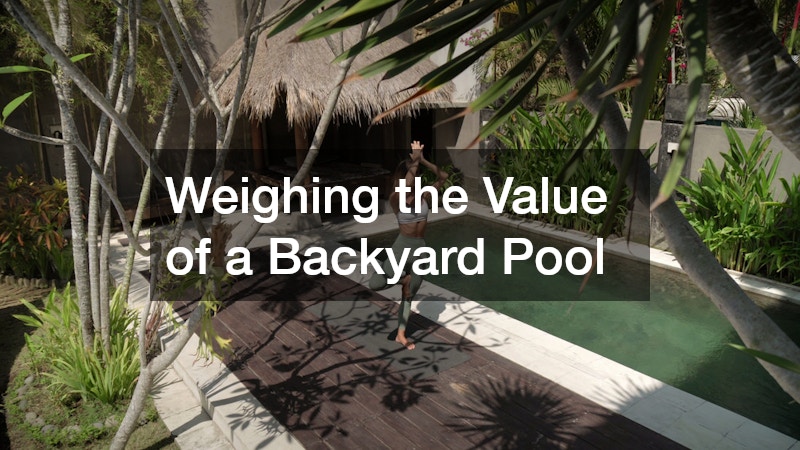
A swimming pool can transform a backyard into a personal retreat, but it is one of the more polarizing upgrades when it comes to resale value. In warmer climates where pools are expected, they can be a strong selling point, while in cooler regions they sometimes turn off buyers who see them as extra maintenance and liability. The return really depends on your local market and how well the pool is integrated into the overall landscape design.
If you decide to move forward, working with a custom pool contractor allows you to design a size, shape, and feature set that fits your yard and budget rather than settling for a generic template. Custom designs can incorporate energy-efficient pumps, saltwater systems, and automated cleaning to reduce long-term operating costs. Getting several detailed quotes and asking about warranty coverage helps you avoid unexpected expenses after installation.
- Saltwater systems reduce chemical costs compared to traditional chlorine pools
- Ask about warranty terms for both the pool shell and equipment
- Consider fencing requirements for safety and local code compliance
- Energy-efficient pumps can cut electricity costs significantly over time
Caring for Trees and Outdoor Greenery
Mature trees add shade, privacy, and curb appeal, but they also require regular assessment to make sure they are healthy and not posing a risk to your home or neighboring properties. Overgrown branches near rooflines, cracked trunks, and root systems that threaten foundations or plumbing lines are all warning signs that should not be ignored. Proactive tree care protects both your landscaping investment and your home’s structure.
When a tree is dead, diseased, or growing too close to your house, calling professional tree removal services is safer and often more cost-effective than attempting the job yourself. Trained crews have the equipment to remove large trees without damaging roofs, fences, or utility lines, and they can also grind stumps to prevent regrowth. Regular trimming and inspection extend the life of remaining trees and reduce the chance of storm damage.
- Inspect trees annually for signs of disease, pest damage, or root issues
- Keep branches trimmed at least six feet away from rooflines
- Remove dead trees promptly to avoid storm-related damage
- Ask about stump grinding to fully clear the area for replanting
Refreshing Interior and Exterior Surfaces
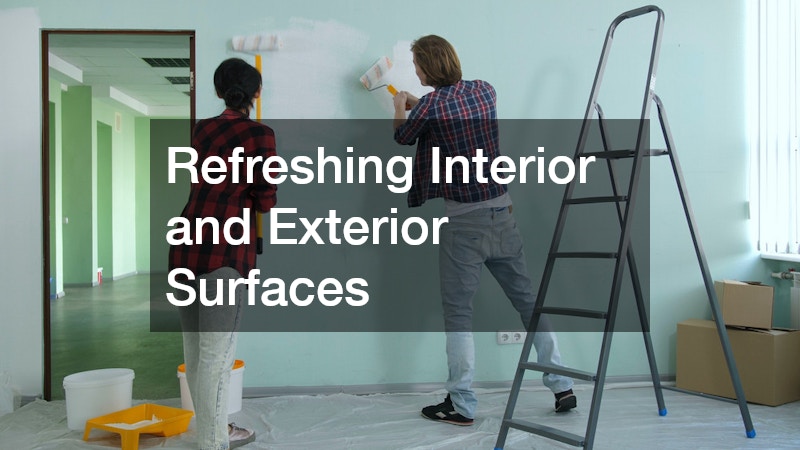
Few upgrades offer as much visual impact for the cost as a fresh coat of paint, both inside and outside the home. According to industry cost-versus-value reports, exterior painting can recoup 50-100% of its cost at resale, depending on the region and condition of the existing surface. Updated exterior paint improves curb appeal instantly and protects siding from moisture, pests, and sun damage that can otherwise lead to costly repairs down the road.
Interior paint, meanwhile, can modernize a space without a full renovation, often for just a few hundred dollars per room in materials. Popular choices like soft grays, warm whites, and greige tones tend to photograph well and appeal to a broad range of buyers if resale is a consideration.
Beyond color choice, finish matters too: satin or eggshell finishes hide minor wall imperfections while remaining easy to clean, and semi-gloss is often best for trim, doors, and high-moisture areas like bathrooms.
A fresh coat of paint remains one of the highest-return upgrades in home improvement, but the return depends heavily on execution. Hiring a professional painting contractor ensures proper surface preparation, including scraping, sanding, patching, and priming, which significantly extends how long the paint job lasts. Skipping these steps is the most common reason DIY paint jobs fail early, often peeling or fading within two to three years.
Professionals also have access to higher quality, more durable paint products than what is typically available for DIY projects, including commercial-grade acrylics and specialty exterior coatings designed to resist UV damage, moisture, and mildew. Many contractors also offer warranties on labor and materials, giving homeowners added protection that big-box store paint simply doesn’t include.
This attention to prep work is often the difference between a paint job that lasts five years and one that lasts fifteen. For exteriors, this can mean the difference between repainting every five years at $3,000–$6,000 a pop versus stretching that investment over a decade or more. Interior refreshes, particularly in kitchens, bathrooms, and main living areas, also tend to recoup a strong percentage of their cost at resale, making professional-grade prep and application a smart, budget-conscious choice for sellers and long-term homeowners alike.
- Choose neutral colors like greige, warm white, or soft gray for higher resale appeal—buyers can picture their own furnishings against these palettes
- Proper prep work (power washing, sanding, and priming bare spots) prevents peeling and premature fading
- Exterior paint should be rated for your specific climate conditions, such as UV-resistant formulas for sunny regions or moisture-resistant options for humid areas
- Budget for touch-ups every 3 to 5 years in high sun exposure areas, since south- and west-facing walls fade fastest
- For interiors, satin or eggshell finishes hide minor imperfections better than flat paint while still being easy to wipe clean
- Test paint swatches on the actual wall and view them at different times of day before committing to a full gallon
Extending Living Space With Outdoor Decking
A well-designed deck extends usable living space and creates a natural gathering spot for outdoor meals and relaxation. Traditional wood decking is less expensive upfront but requires ongoing staining and sealing to prevent rot and warping over time. Many homeowners are shifting toward alternative materials that reduce long-term maintenance demands.
Reputable composite deck builders can install decking made from recycled wood fibers and plastic that resists fading, splintering, and insect damage far better than traditional lumber. While the initial cost is higher than wood, the reduced maintenance and longer lifespan often make composite decking more economical over a ten to fifteen year period. This durability is also appealing to future buyers who want to avoid ongoing upkeep.
- Composite decking typically comes with warranties of 25 years or more
- Wood decking requires restaining every one to two years to prevent damage
- Proper railing and lighting improve both safety and evening usability
- Consider local climate when choosing between wood and composite materials
Maintaining Reliable Water and Drainage Systems
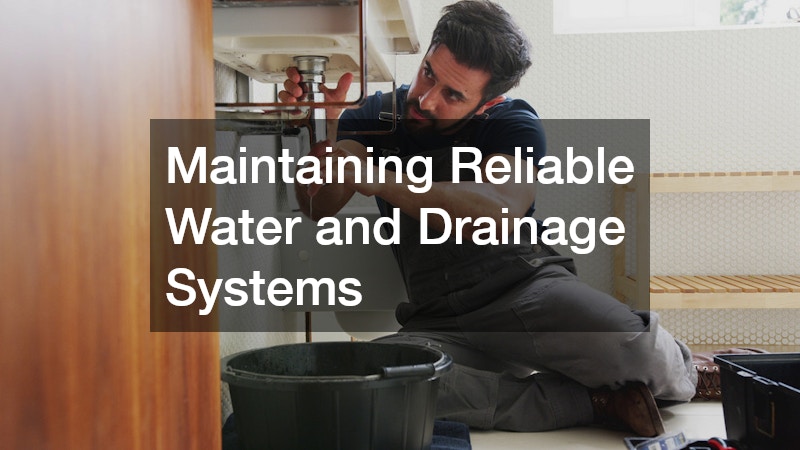
Plumbing issues rank among the most disruptive and expensive problems a homeowner can face, which is why staying ahead of aging pipes and fixtures matters so much. Older homes with galvanized or outdated piping are especially prone to leaks, reduced water pressure, and eventual pipe failure. Addressing these issues before they become emergencies protects both your home’s structure and your budget.
Partnering with licensed plumbing companies for regular inspections can catch small leaks, corrosion, or pressure issues before they turn into major repairs or water damage. Many companies now offer camera inspections that let you see the actual condition of pipes running under floors and behind walls without any demolition. This kind of preventive maintenance is far less expensive than emergency repairs after a pipe bursts.
- Schedule a plumbing inspection every two to three years in older homes
- Watch for signs like low water pressure or discolored water
- Consider repiping if your home still has galvanized steel pipes
- Camera inspections help identify hidden issues without demolition
Modernizing Kitchens and Bathrooms With Durable Surfaces
Kitchen and bathroom updates consistently rank among the top value-adding renovations because these are the rooms buyers scrutinize most closely. Outdated countertops, worn cabinetry, and dated fixtures can make an otherwise updated home feel older than it is. Even a partial update, like replacing countertops, can significantly change the perceived value of a space.
Installing quartz countertops is one of the most popular choices among homeowners because the material combines the elegance of natural stone with the practicality of a low-maintenance, non-porous surface. Unlike granite or marble, quartz does not require regular sealing and resists staining from everyday spills. This durability, paired with a wide range of colors and patterns, makes it a strong choice for both kitchens and bathrooms.
- Quartz resists scratches, stains, and heat better than many natural stones
- No sealing is required, unlike granite or marble surfaces
- Available in patterns that mimic natural stone at a lower cost
- Pairs well with both modern and traditional cabinetry styles
Real returns come from upgrades that combine visual appeal with genuine durability, safety, and efficiency, not just projects that look good in photos. By focusing on entry doors, HVAC systems, outdoor structures, and durable surfaces like quartz, you can make improvements that pay off whether you plan to sell soon or stay for years to come. Start by assessing which systems in your home are aging or underperforming, then prioritize projects based on both your budget and your local market expectations. Taking a measured, informed approach now will save you money and stress down the road.
