
- Winter months (January–March) often offer the best deals due to lower competition and more motivated sellers.
- Spring (April–June) provides the most housing options, but prices and competition are at their peak.
- Late summer to early fall (August–September) can strike a balance between inventory and negotiating power.
- Year-end months (October–December) favor buyers with lower prices and less market pressure, but fewer choices.
- Timing matters, but personal financial readiness is just as important as seasonal market trends.
- Factors like interest rates, local market conditions, and life circumstances should guide your decision.
Buying a home is one of the biggest financial decisions you’ll ever make, and timing can significantly impact how much you pay, the choices available, and your overall experience. While there is no one-size-fits-all answer, understanding seasonal trends in real estate can help you make a smarter decision. From fluctuating home prices to inventory levels and competition, each month offers unique advantages and drawbacks.
This guide breaks down what to expect throughout the year so you can identify the best time that aligns with your budget, lifestyle, and goals.
January to March: Is Winter the Best Time to Score a Deal?
The first quarter of the year is often overlooked by buyers, but it can present excellent opportunities for those willing to brave the colder months. During this period, fewer people are actively house hunting, which reduces competition and gives buyers more negotiating power. Sellers who list during winter are often motivated, whether due to relocation, financial reasons, or urgency to close a deal quickly.
However, inventory tends to be lower compared to peak seasons. You may have fewer homes to choose from, but the ones available often come with flexible pricing. If you’re wondering how much money you need to buy a house, this is a good time to explore your budget since sellers may accept lower offers. Mortgage lenders may also have more availability, making the process smoother and faster.
April to June: Why is Spring the Busiest Home Buying Season?
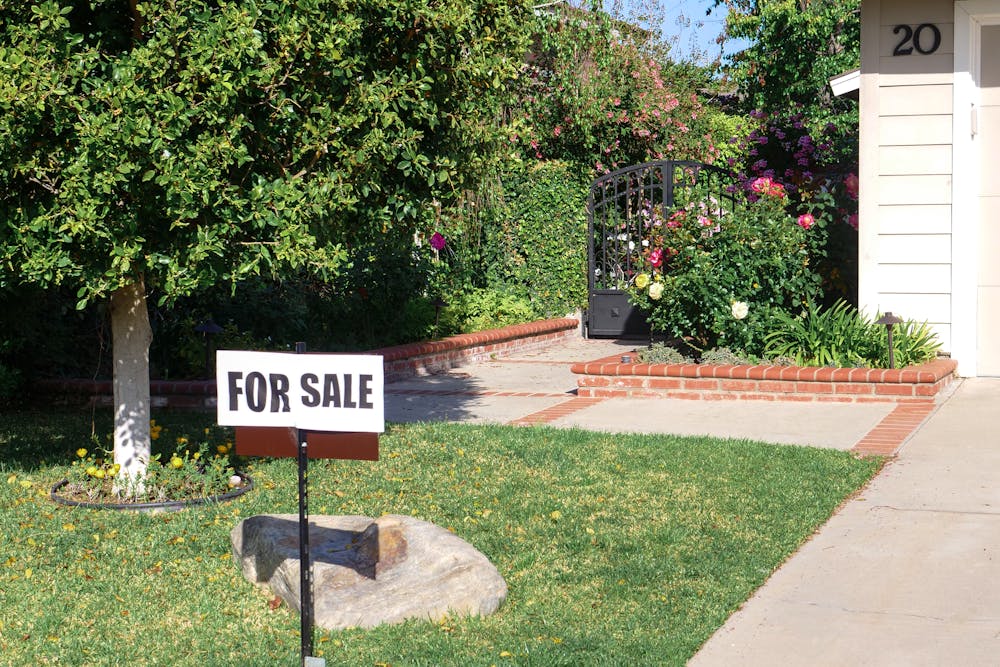
Spring is widely considered the hottest season in the real estate market. Warmer weather, school breaks, and longer daylight hours encourage more buyers to start their home search. As a result, inventory increases significantly, giving you more options to choose from in terms of location, size, and price range.
The downside is heightened competition. Multiple offers are common, and homes can sell quickly, sometimes above asking price. Buyers need to act fast and come prepared with pre-approval and a clear budget. While you may pay a premium during this season, the advantage lies in having a wider selection and the ability to find a home that truly fits your needs.
July to September: Should You Buy a House During Summer?
Summer continues the momentum of the spring market but begins to show signs of slowing down as the months progress. Early summer still sees high demand, especially from families aiming to move before the new school year begins. However, by late August and September, competition starts to ease, creating a more balanced market.
This period can be ideal for buyers who want a mix of options and negotiating room. Sellers who haven’t closed deals during spring may be more open to price reductions or concessions. Additionally, the weather makes it easier to attend open houses and inspect properties thoroughly. Timing your purchase toward the end of summer can help you strike a better deal without sacrificing too many choices.
October to December: Is the End of the Year a Smart Time to Buy?
The final quarter of the year is often considered a buyer-friendly period, particularly for those looking for value. As the holiday season approaches, many sellers become more motivated to close deals quickly, which can lead to price reductions and better negotiation opportunities. Fewer buyers are active during this time, reducing competition significantly.
On the flip side, inventory drops as many homeowners choose to wait until the new year to list their properties. This means your choices may be limited, but the homes that remain are often priced competitively. If you’re flexible and patient, this season can offer substantial savings and a less stressful buying experience overall.
Key Factors That Affect the Best Time to Buy a House
While seasonal trends are helpful, several other factors play a crucial role in determining the right time for you to buy a home. Understanding these elements ensures that your decision is based on both market conditions and personal readiness.
Financial Readiness
Your financial health should always come first. Consider your savings, credit score, and debt-to-income ratio before entering the market.
- Stable income and emergency savings
- Good credit score for favorable loan terms
- Budget for down payment and closing costs
Market Conditions
Housing markets vary depending on location, interest rates, and economic conditions.
- Buyer’s market: More inventory, lower prices
- Seller’s market: Limited inventory, higher prices
- Interest rate trends affecting affordability
Personal Timing
Your lifestyle and long-term goals should align with your decision to buy.
- Job stability and career plans
- Family needs or relocation plans
- Willingness to commit to long-term homeownership
How Do You Decide the Best Time for You?

Ultimately, the best time to buy a house depends on your individual circumstances rather than just the calendar. While winter and late fall may offer better deals, spring and summer provide more choices. Balancing these trade-offs is key to making a smart investment.
Start by assessing your financial readiness and understanding local market conditions. Work with a trusted real estate agent to identify opportunities that match your needs. Remember, the “perfect” time doesn’t exist, but the “right” time for you does. By combining seasonal insights with personal preparation, you can confidently navigate the home buying process and secure a property that meets both your needs and budget.
Conclusion
There is no universal “perfect” season for buying a home, but each time of year offers distinct advantages depending on your goals. Winter and late-year months often favor buyers with better prices and less competition, while spring and early summer provide more choices but at a higher cost and faster pace. Understanding these seasonal patterns helps you make a more informed and strategic decision.
Ultimately, the best time to buy a house is when your finances are ready, your goals are clear, and market conditions align with your needs. By combining timing insights with careful preparation, you can confidently move forward and secure a home that fits both your lifestyle and long-term financial plans.
