
Making your home more energy-efficient is one of the most effective ways to save money while supporting a sustainable lifestyle. In 2026, homeowners have more options than ever for reducing utility costs, upgrading home systems, and improving comfort. Smart investments in energy-efficient appliances, modernized systems, and eco-conscious materials can lower monthly bills, increase your property’s value, and reduce your environmental footprint. This guide explores actionable home improvement strategies that combine long-term financial benefits with practical, everyday usability, helping you make informed decisions for your home.
Harness the Power of Renewable Energy
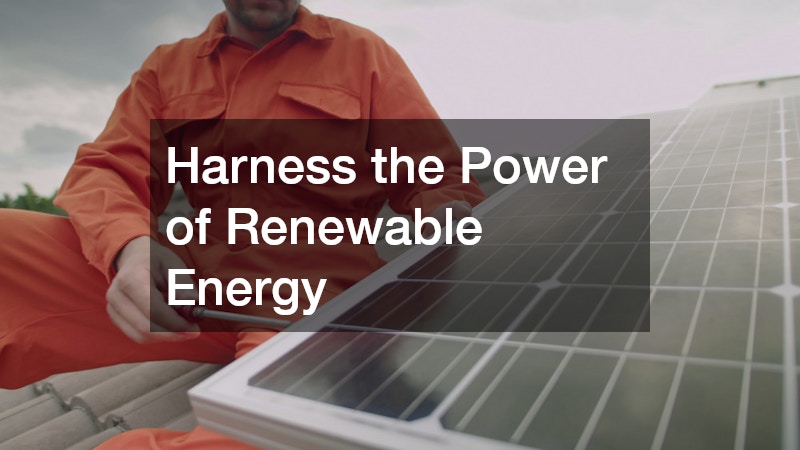
Investing in renewable energy solutions has become increasingly accessible for homeowners in recent years. Among these options, solar energy is particularly appealing because it is no longer reserved for high-end or large-scale installations. Instead, it has become a practical and cost-effective way to reduce reliance on the electrical grid while promoting long-term energy savings. A properly planned solar system can significantly lower monthly electricity bills and protect against rising utility costs, making it a financially savvy investment.
When implementing a solar solution, it is important to carefully assess the roof’s orientation and shading, as these factors determine how much sunlight your panels can capture and, ultimately, how much energy they generate. Homeowners should also take the time to understand local incentives, tax credits, and financing programs, which can greatly reduce the initial installation costs and make solar energy adoption more attainable. Once installed, solar panels require regular maintenance, including cleaning and inspections for any signs of damage, to ensure they continue operating at peak efficiency over their lifespan.
In addition to cost savings, a solar installation can increase your home’s overall market value, especially in regions where renewable energy is highly encouraged. Generating your own electricity gives you greater control over energy consumption, reduces dependency on the grid during peak hours, and supports environmental sustainability. Even smaller residential systems can cover a substantial portion of household energy needs, making solar energy one of the most impactful home improvements for long-term savings, energy independence, and a reduced carbon footprint. By taking these steps, homeowners can enjoy immediate financial benefits while contributing to a greener, more sustainable future.
Efficient Water Systems
Water management is a critical component of energy savings, as heating and pumping water account for a significant portion of household energy use. A properly maintained water pressure tank ensures consistent water flow and reduces the strain on pumps, which can directly impact your energy bills.
Homeowners can optimize their water systems by:
-
Checking for leaks and performing routine maintenance to prevent energy waste.
-
Upgrading older tanks to models with better insulation and more efficient mechanisms.
-
Pairing water pressure tank upgrades with low-flow fixtures and energy-efficient water heaters.
By maintaining an efficient water distribution system, you not only reduce energy consumption but also extend the lifespan of your plumbing infrastructure. A well-functioning water system can prevent sudden spikes in utility costs and offer consistent water pressure throughout the home, making daily tasks like showering and laundry more reliable and cost-effective.
Modern Heating Solutions
Heating remains one of the largest energy expenses for homeowners, particularly during colder months when demand is at its highest. Many older heating systems operate inefficiently, consuming excessive energy while failing to provide consistent warmth throughout the home. Upgrading to a modern, energy-efficient system can significantly reduce utility bills while ensuring a comfortable and stable indoor environment. High-efficiency furnaces, heat pumps, and boilers are specifically engineered to use less energy without sacrificing performance, making them an important investment for any homeowner.
Homeowners can improve heating efficiency in several ways. Installing programmable or smart thermostats allows for precise control over heating schedules, ensuring that energy is not wasted when rooms are unoccupied or when the household is asleep. Regular maintenance, such as cleaning ducts, replacing air filters, and inspecting ductwork for leaks, helps the system operate at peak efficiency and prolongs its lifespan. Additionally, installing zoning systems enables heating only specific areas of the home as needed, reducing wasted energy and providing targeted comfort.
While the upfront cost of a high-efficiency heating system may appear significant, the long-term reduction in energy bills typically offsets the initial expense over time. Combining a modern heating system with proper insulation, upgraded windows, and draft prevention strategies further enhances efficiency by minimizing heat loss. These improvements work together to reduce energy consumption, lower utility bills, and create a warmer, more comfortable home environment. Over time, investing in modern heating solutions also contributes to sustainability by reducing your household’s overall energy footprint and supporting more responsible energy use throughout the year.
Upgrading Cooling Systems
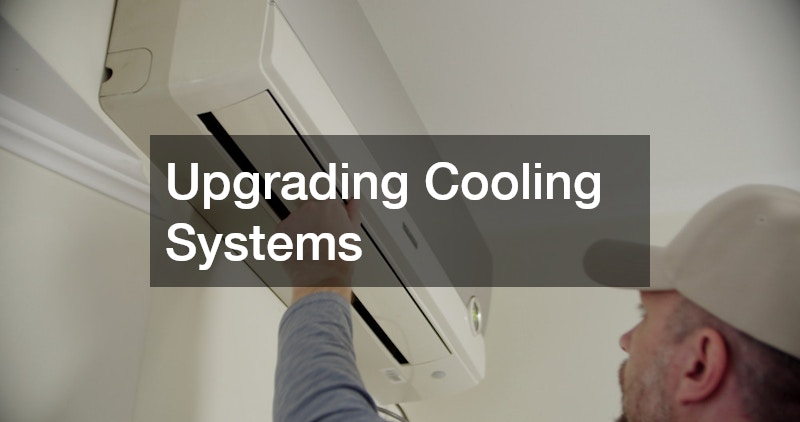
Ensuring your home remains comfortable during warmer months requires a strategic approach to cooling. Partnering with a qualified air conditioning contractor is essential for selecting the right system, maintaining efficiency, and preventing unnecessary energy expenditures.
Key points for homeowners include:
-
Evaluating energy ratings and system size to ensure your AC unit matches the home’s requirements.
-
Scheduling routine inspections to maintain efficiency, prevent breakdowns, and identify opportunities for upgrades.
-
Considering duct sealing or smart thermostats to improve cooling performance and reduce wasted energy.
Working with a skilled professional can help you avoid overpaying for underperforming systems and ensure your home remains comfortable without excessive energy use. A well-maintained cooling system also contributes to the longevity of your equipment, protecting your investment and reducing environmental impact.
Enhancing Roof Efficiency
Your roof plays a crucial role in maintaining your home’s energy balance and overall comfort. It acts as a barrier between the indoor environment and external weather conditions, helping to retain heat during the winter and reduce cooling demands in the summer. Proper insulation, reflective coatings, and timely roof replacements are all essential measures to prevent energy loss and maintain consistent indoor temperatures.
Homeowners considering a roof update can benefit greatly from professional roof replacement services, which guide them throughout the process. These services can assist in selecting energy-efficient materials that enhance insulation, increase durability, and offer long-lasting protection. A thorough evaluation of the roof’s overall condition can determine whether targeted repairs are sufficient or if a full replacement is necessary to maximize energy efficiency and structural integrity. Additionally, exploring eco-friendly roofing options, such as reflective shingles or green roofing systems, can further reduce energy consumption while supporting environmental sustainability.
Investing in a high-quality roof offers numerous benefits beyond protection from the elements. It can lower monthly utility costs by reducing the workload on heating and cooling systems, minimizing maintenance needs, and improving the overall longevity of your home’s exterior. When paired with complementary upgrades, such as efficient windows and added insulation, a well-designed roof becomes a central element of a home’s energy-saving strategy. Over time, these improvements provide financial savings, enhance indoor comfort, and contribute to a more sustainable living environment, making roof efficiency a priority for any forward-thinking homeowner.
Improving Windows for Energy Efficiency
Windows are critical points of energy loss in many homes. Replacing old or drafty windows with high-performance options can dramatically reduce heating and cooling expenses while enhancing natural light and indoor comfort.
Considerations when installing new windows include:
-
Choosing double or triple-glazed windows with low-emissivity coatings to reduce heat transfer.
-
Selecting frames made from energy-efficient materials such as vinyl, fiberglass, or sustainably sourced wood.
-
Ensuring proper sealing and installation to prevent air leaks.
Energy-efficient windows work in tandem with other home improvements, such as upgraded heating and cooling systems, to maximize overall energy savings. Beyond financial benefits, they can improve indoor comfort and contribute to a quieter, more enjoyable living environment.
Sustainable Flooring Options
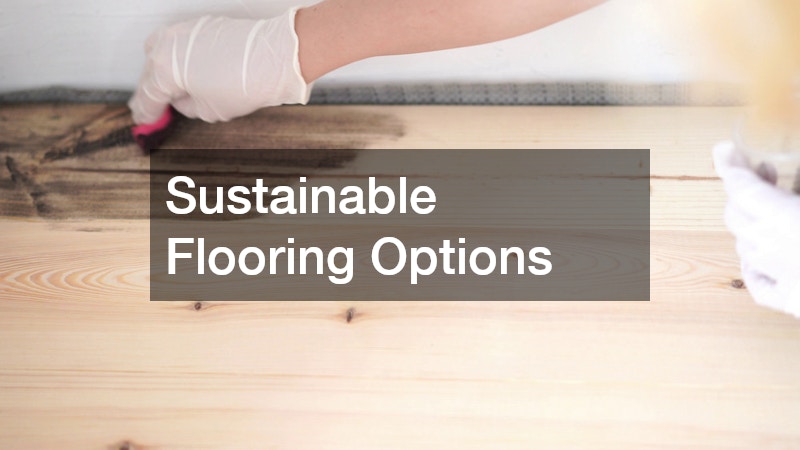
Flooring can have a significant impact on both the comfort and energy efficiency of your home. The materials you choose and the way they are installed can affect heat retention, insulation, and overall energy consumption. Working with professional flooring services ensures that the installation is done correctly, maximizing both efficiency and durability while minimizing long-term maintenance issues.
Homeowners have a variety of flooring options to consider. Engineered hardwood or bamboo flooring often retains heat more effectively than tile, creating a warmer surface underfoot and reducing the need for supplemental heating. Materials that are compatible with radiant heating systems can further enhance energy efficiency during colder months by distributing warmth evenly throughout the home. Additionally, selecting low-VOC or recycled flooring materials contributes to a healthier indoor environment while promoting sustainability by reducing the use of harmful chemicals and conserving natural resources.
Proper installation is just as important as choosing the right materials. Professional flooring services ensure that underlayment, seams, and edges are correctly installed to prevent drafts and heat loss. Well-installed flooring helps maintain consistent indoor temperatures, reduces energy waste, and enhances overall comfort. Over time, these improvements translate into lower energy bills, decreased maintenance needs, and a more sustainable home environment, making thoughtful flooring choices an essential component of any energy-conscious home improvement plan.
Maintaining Pavements and Driveways
Proper upkeep of outdoor surfaces is essential to protect your property and avoid costly repairs. Asphalt sealcoating is a practical solution that extends the life of driveways, reduces damage from UV rays, and prevents water infiltration, all of which contribute to long-term cost savings.
Benefits of regular sealcoating and maintenance include:
-
Preventing cracks and potholes that can become expensive repairs if neglected.
-
Reducing the need for frequent resurfacing, saving both money and materials.
-
Improving curb appeal and overall property value.
Incorporating routine maintenance into your annual home care schedule ensures that exterior surfaces remain durable and energy-efficient, as poorly maintained pavements can contribute to heat absorption and surface degradation.
Smart Landscaping Strategies
Landscaping can play a major role in a home’s overall energy consumption and water usage. Thoughtful and sustainable landscaping practices not only enhance the aesthetic appeal of a property but also help reduce heating and cooling demands while conserving vital water resources. By planning outdoor spaces with energy efficiency in mind, homeowners can achieve both environmental and financial benefits.
Energy-conscious landscaping begins with the strategic placement of shade trees, which can lower cooling costs in the summer by blocking direct sunlight and creating cooler microclimates around the home. Mulching and improving soil quality helps retain moisture, reducing the frequency and amount of irrigation required. Installing smart irrigation systems, combined with the use of drought-resistant plants, ensures that water is applied only where and when it is needed, preventing waste and supporting sustainable water management. Regular pruning and maintenance of trees, shrubs, and other greenery helps optimize air circulation and sunlight exposure, which can further influence the home’s microclimate and energy efficiency.
Prioritizing sustainable landscape maintenance not only reduces water and energy use but also contributes to healthier soil, mitigates stormwater runoff, and creates a more comfortable outdoor living environment. Over time, these improvements help lower utility bills, reduce environmental impact, and promote a more enjoyable and sustainable property. Thoughtful landscaping is an investment that enhances both the functionality and appearance of a home, making it an essential consideration for homeowners seeking long-term efficiency and cost savings.
Upgrading Pools for Efficiency
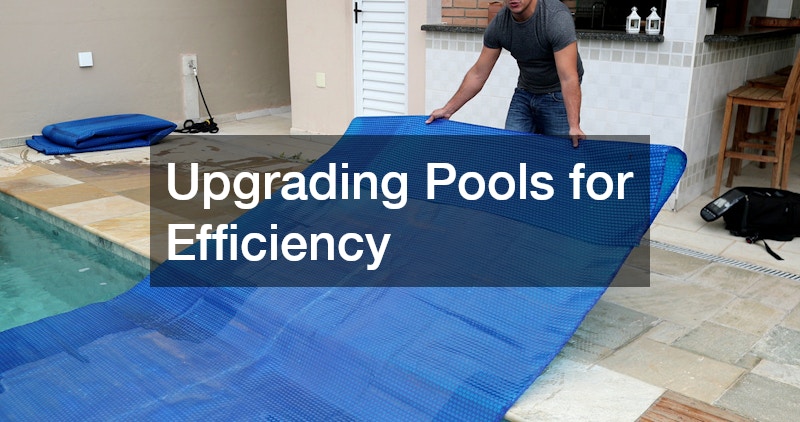
Pools are popular luxury features, but can be energy and water-intensive if not properly maintained or updated. A thoughtful pool remodel can improve energy efficiency, reduce water use, and lower long-term operating costs.
Homeowners should consider:
-
Installing energy-efficient pumps and heating systems to cut electricity use.
-
Adding pool covers to reduce water evaporation and maintain heat.
-
Incorporating water-saving features such as automated filtration and efficient chemical management.
-
Exploring eco-friendly lighting and solar heating options to further reduce environmental impact.
A well-executed pool remodel not only enhances enjoyment but also aligns with broader sustainability goals, helping homeowners balance luxury with responsible energy use.
Improving your home’s energy efficiency in 2026 requires a thoughtful combination of system upgrades, sustainable materials, and strategic maintenance practices. From harnessing solar energy to optimizing water systems, enhancing insulation, and implementing smart landscaping, each improvement contributes to long-term savings, comfort, and environmental responsibility. By investing in these home enhancements, you create a living space that is not only more efficient but also more enjoyable, resilient, and valuable over time. Prioritizing energy-conscious choices today ensures your home remains sustainable and cost-effective well into the future.
