
- Urban homes require significantly higher upfront costs, including larger down payments and closing fees, due to higher property prices and demand.
- Rural homes are more affordable initially, but additional expenses like transportation and maintenance can impact long-term costs.
- The total cost of buying a house goes beyond the purchase price and includes taxes, insurance, utilities, and ongoing upkeep.
- Your ideal location depends on your financial capacity, lifestyle preferences, and access to work and essential services.
- Hidden costs—such as repairs, commuting, and utility upgrades—can affect your overall budget regardless of location.
- Strategic planning, including saving consistently and exploring financial assistance programs, can reduce how much money you need to buy a house.
Choosing between urban and rural living is one of the biggest decisions homebuyers face. Beyond lifestyle preferences, the financial requirements for purchasing a home can vary significantly depending on location. Cities often come with higher property prices but better access to jobs and amenities, while rural areas offer affordability and space at the cost of convenience.
Understanding how much money you need to buy a house in each setting helps you make smarter financial decisions. From upfront costs to long-term expenses, every factor plays a role in determining affordability. This guide breaks down the real costs, compares urban and rural living, and helps you decide which option aligns with your goals.
What Determines How Much Money You Need to Buy a House?
Before comparing urban and rural costs, it’s important to understand the core factors that influence how much money you need to buy a house. These elements go beyond the listing price and include several financial considerations that affect both upfront and long-term affordability.
Many first-time buyers underestimate the total cost of homeownership. While the purchase price is the most obvious factor, additional expenses such as taxes, insurance, and maintenance can significantly increase your financial commitment. Understanding these components early on helps you avoid surprises and plan more effectively.
Key Cost Components to Consider
- Down Payment
- Typically ranges from 10% to 20% of the property value
- Lower down payments are possible, but may require mortgage insurance
- Closing Costs
- Includes legal fees, appraisal fees, and registration charges
- Usually, around 2% to 5% of the home price
- Monthly Mortgage Payments
- Depends on loan amount, interest rate, and loan term
- Higher-priced urban homes lead to larger monthly payments
- Property Taxes
- Often higher in urban areas due to higher property values
- Varies depending on local government rates
- Maintenance and Utilities
- Rural homes may require more maintenance due to the land size
- Urban homes may have higher utility costs
Urban Living: How Much Does It Really Cost?
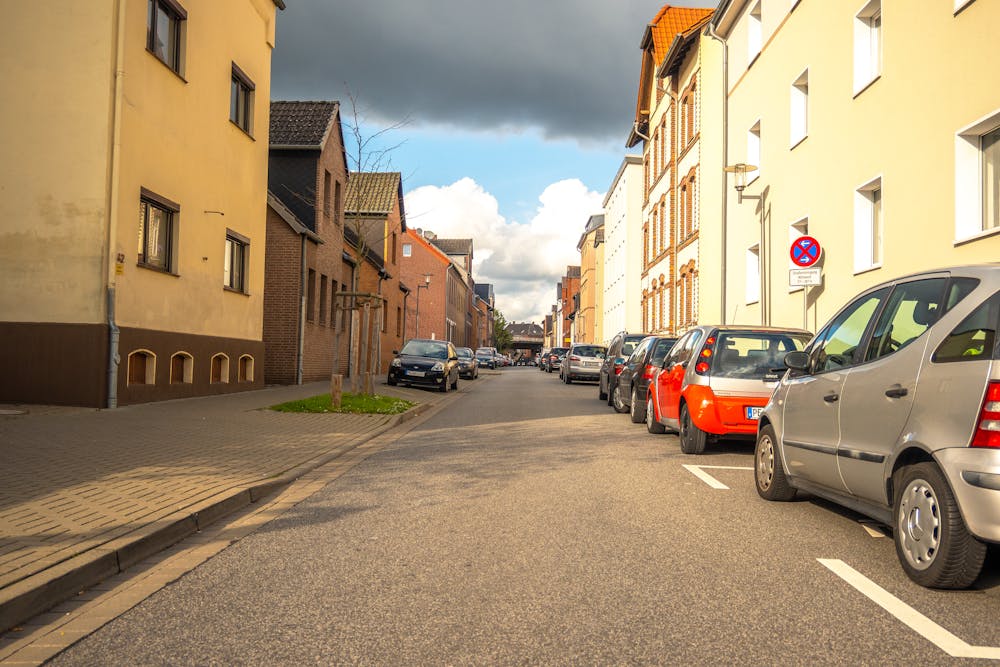
Urban living is often associated with convenience, accessibility, and economic opportunity. However, these advantages come at a cost. Buying a house in the city typically requires a higher upfront investment and ongoing expenses.
Cities are economic hubs, which means higher demand for housing. This demand drives up property prices, making urban homeownership more expensive. In addition, urban buyers often face higher taxes, association fees, and living costs, all of which contribute to the overall financial burden.
Typical Costs in Urban Areas
- Higher Property Prices
- Limited space and high demand increase home values
- Condominiums and townhouses are more common than detached homes
- Larger Down Payments
- A 20% down payment on a city home can be substantial
- For example, a $200,000 home requires $40,000 upfront
- Additional Fees
- Homeowners’ association (HOA) fees or condo dues
- Parking fees and maintenance charges
- Higher Cost of Living
- Utilities, groceries, and transportation tend to be more expensive
- Proximity to workplaces may reduce commuting costs
Pros of Urban Living
- Access to jobs and career opportunities
- Proximity to schools, hospitals, and entertainment
- Better infrastructure and public services
Cons of Urban Living
- High property and living costs
- Limited space and privacy
- Increased competition in the housing market
Rural Living: Is It More Affordable?
Rural living is often seen as the more affordable alternative to city life. With lower land costs and less demand, buying a home in rural areas generally requires less upfront capital. However, affordability does not always mean lower overall costs.
While rural homes are cheaper, they may come with additional expenses such as transportation, maintenance, and limited access to services. Buyers must consider these trade-offs when evaluating how much money they need to buy a house in rural areas.
Typical Costs in Rural Areas
- Lower Property Prices
- More land availability reduces costs
- Detached homes with larger lots are common
- Smaller Down Payments
- Lower home prices mean less cash required upfront
- Easier entry point for first-time buyers
- Lower Property Taxes
- Generally lower due to reduced property values
- Varies depending on location
- Higher Transportation Costs
- Longer commutes may require a car
- Fuel and maintenance expenses can add up
Pros of Rural Living
- More affordable housing options
- Larger living spaces and land
- Quieter and less crowded environment
Cons of Rural Living
- Limited job opportunities
- Fewer healthcare and educational facilities
- Longer travel times for daily needs
How Much Money Do You Need to Buy a House in Urban vs. Rural Areas?

When comparing urban and rural housing, the difference in financial requirements can be substantial. The amount you need depends on property prices, location, and personal financial circumstances.
In urban areas, you may need significantly more savings for the down payment and closing costs. For example, if a city home costs $250,000, a 20% down payment alone would be $50,000. Add closing costs and other fees, and your upfront requirement could exceed $60,000.
In contrast, a rural home priced at $100,000 would require a $20,000 down payment. With lower closing costs, your total upfront expense might stay below $25,000. This makes rural living more accessible for buyers with limited savings.
Side-by-Side Cost Comparison
| Expense Type | Urban Area | Rural Area |
| Average Home Price | High | Low |
| Down Payment | High | Moderate |
| Closing Costs | Higher | Lower |
| Monthly Mortgage | Expensive | Affordable |
| Utilities | Moderate-High | Moderate |
| Transportation | Lower | Higher |
Hidden Costs You Should Not Ignore
Many buyers focus only on the purchase price and overlook hidden costs that can significantly impact their budget. Whether you choose urban or rural living, these expenses can affect how much money you need to buy a house.
Hidden costs often appear after the purchase, making them harder to anticipate. Being aware of these expenses allows you to create a more realistic financial plan and avoid unexpected financial strain.
Common Hidden Costs
- Home Repairs and Maintenance
- Older homes may require immediate repairs
- Rural homes may need septic or well maintenance
- Insurance Costs
- Urban homes may have higher premiums due to risk factors
- Rural homes may require specialized insurance
- Commuting Expenses
- Rural living often means higher fuel and vehicle costs
- Urban commuting may involve public transportation fees
- Utility Setup and Upgrades
- Rural properties may need infrastructure improvements
- Urban homes may have higher monthly utility bills
Which Option is Better for First-Time Buyers?
Choosing between urban and rural living depends on your financial situation, lifestyle preferences, and long-term goals. First-time buyers should carefully evaluate their priorities before making a decision.
Urban living may be ideal for those who value convenience and career growth. However, the higher costs can be a barrier for buyers with limited savings. On the other hand, rural living offers affordability but may require adjustments in lifestyle and accessibility.
Questions to Ask Yourself
- Do you have enough savings for a large down payment?
- Is proximity to work and amenities important to you?
- Can you handle longer commutes if needed?
- Are you prepared for maintenance responsibilities?
Tips for First-Time Buyers
- Start with a realistic budget
- Get pre-approved for a mortgage
- Research local property markets
- Factor in long-term expenses
Practical Tips to Reduce How Much You Need to Buy a House
Buying a house does not always require a massive amount of money upfront. With the right strategies, you can reduce your financial burden and make homeownership more achievable.
Planning ahead and exploring available options can significantly lower your initial costs. Whether you choose urban or rural living, these tips can help you save money and make smarter decisions.
Smart Ways to Save Money
- Look for Government Programs
- Many regions offer assistance for first-time buyers
- Consider Smaller Properties
- Start with a modest home and upgrade later
- Improve Your Credit Score
- Better credit leads to lower interest rates
- Save Consistently
- Set a monthly savings goal for your down payment
- Negotiate Costs
- Work with sellers to reduce closing costs
Final Thoughts: Choosing the Right Location for Your Budget
Deciding between urban and rural living is not just about cost—it’s about finding the right balance between affordability and lifestyle. While rural homes are generally cheaper, urban properties offer convenience and opportunities that may justify the higher price.
Understanding how much money you need to buy a house in each setting allows you to plan effectively and avoid financial stress. By considering both upfront and long-term costs, you can make a decision that supports your financial stability and personal goals.
Ultimately, the best choice depends on what matters most to you. Whether you prefer the energy of the city or the tranquility of the countryside, careful planning ensures that your home purchase is a smart and sustainable investment.
