
The concept of luxury in residential architecture has undergone a radical transformation over the last decade. Gone are the days when a high-end residence was defined solely by its square footage or the weight of its gold-plated fixtures. Today, the most sought-after property is one that creates a dialogue between the interior sanctuary and the natural world outside. This shift toward indoor-outdoor living focuses on the removal of physical and visual barriers. Architects and designers are now prioritizing massive floor-to-ceiling glass walls, continuous flooring materials, and outdoor lounges that mirror the comfort of an indoor living room.
To achieve this level of fluidity, the initial site preparation is critical. When a property sits on an incline, the engineering must be both functional and aesthetic. Skilled masonry teams often install retaining walls to create tiered gardens or level terraces that extend the living space into the backyard. These structures do more than just hold back earth; they define the boundaries of outdoor rooms. By using natural stone or architectural concrete that matches the home facade, these walls become a visual extension of the interior architecture.
The Art of the Approach and Foundation
As guests arrive at a luxury estate, the transition begins long before they reach the front door. The texture underfoot serves as the first tactile hint of the home’s quality. High-end driveways and walkways are no longer just slabs of poured asphalt. Specialized paving contractors are frequently brought in to lay intricate patterns of basalt, limestone, or porcelain pavers. These materials are chosen not just for their durability but for how they reflect light and complement the natural environment. A well-executed walkway guides the eye and the feet toward the entrance, making the outdoor journey feel intentional and refined.
Building a new home from the ground up allows for the integration of these features during the earliest phases of design. In the past, landscaping was often an afterthought, something tacked on once the drywall was up. In the current market, the exterior environment is planned simultaneously with the interior layout. Large pocket doors that slide completely into the walls require a foundation that is perfectly level across both the kitchen and the patio. This precision ensures that there is no tripping hazard, creating a truly flat transition that makes the two spaces feel like one.
Structural Integrity and Weather Shielding
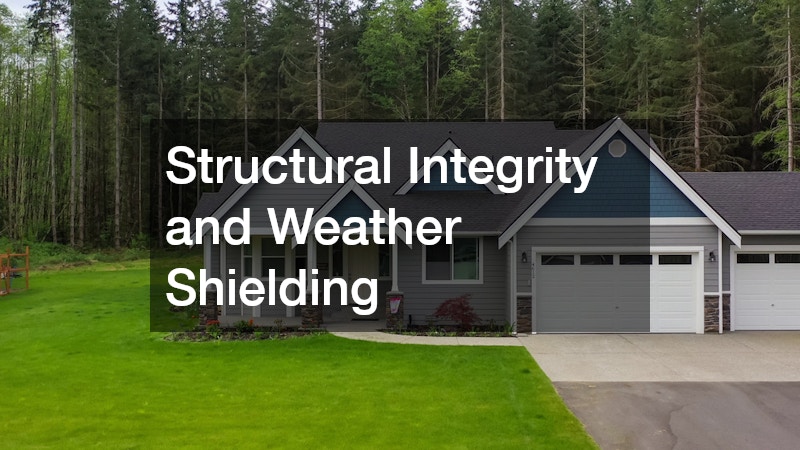
While the goal is openness, the home must still serve as a fortress against the elements. This is especially true when large portions of the walls are made of glass. The roofline often extends far beyond the exterior walls to provide shade and protection from rain, allowing the glass doors to remain open even during a light summer storm. Reliable local roofers play a key role here, as they must ensure that these deep overhangs are properly pitched and drained. If the roofing system fails, the delicate balance of the indoor-outdoor transition is ruined by water damage or heat gain.
The modern aesthetic also demands clean lines, which often means flat or low-slope roofs that hide drainage systems. These designs require expert installation to avoid pooling water. Furthermore, the trend toward multi-functional properties has seen a rise in secondary structures. Many owners choose to add an ADU on their lot to serve as a pool house, a private office, or a guest suite. These accessory dwelling units must mirror the architectural language of the main house, requiring the same level of detail in their construction and weatherproofing to maintain a cohesive look across the entire property.
Integrating Intelligence and Efficiency
Luxury in 2026 is also defined by how well a home anticipates the needs of its occupants. The modern estate is a complex machine, and managing the transition between zones requires sophisticated tech. A comprehensive smart home automation system can control the motorized glass walls, the outdoor heating elements, and the lighting levels with a single voice command or a tap on a screen. Sensors can detect when the sun is too bright and automatically lower external shades, preserving the interior temperature while still allowing a view of the pool.
This level of connectivity requires a robust infrastructure hidden behind the walls. A professional local electrician is essential for more than just wiring light switches. They must install high-capacity data lines and specialized power hubs to support the massive energy demands of a tech-heavy home. Whether it is powering the outdoor cinema or the hidden speakers buried in the landscaping, the electrical work must be flawless. This ensures that the transition from a cozy indoor theater to a vibrant outdoor entertainment space is effortless for the homeowner.
Plumbing and Environmental Systems

Water features are another staple of the indoor-outdoor lifestyle. Infinity-edge pools, outdoor kitchens, and even alfresco showers add a layer of sensory luxury to the home. Integrating these features into the main house systems requires the expertise of local plumbers who understand the regional codes and climate challenges. These pros ensure that the outdoor gas lines for the fire pit are safe and that the drainage for the patio kitchen doesn’t interfere with the home’s main septic or sewer lines. It is this hidden work that allows the visible luxury to function without interruption.
When conceptualizing these projects, homeowners often look for modern home builders who specialize in clean lines and sustainable materials. These professionals understand that a luxury home should not just be beautiful; it should be efficient. They utilize advanced framing techniques and high-performance glass to offset the energy loss that can occur with large openings. By focusing on the thermal envelope, they make it possible to enjoy a wide-open floor plan without seeing a massive spike in utility costs. This balance of form and function is what separates a good house from a great one.
The Scope of Custom Estates
For those looking to build on a grander scale, the requirements become even more stringent. Working with custom mansion builders offers access to a level of craftsmanship and project management that handles every detail from the initial soil test to the final coat of paint. These builders coordinate a small army of subcontractors, ensuring that the stone on the fireplace perfectly aligns with the stone on the outdoor terrace. They are the conductors of the construction orchestra, making sure every trade hits their mark on time and within the high standards expected at this level of investment.
Engineering the site to support a massive structure requires a deep understanding of the land. This often brings the focus back to the foundational elements, such as the retaining walls that may be required to create a grand motor court or a sunken garden. In a mansion-scale project, these walls might be twenty feet high and require significant structural reinforcement. However, when finished with the right materials, they look like a natural part of the cliffside or meadow, proving that even the most industrial parts of a build can contribute to the overall aesthetic.
Seamless Materiality and Texture
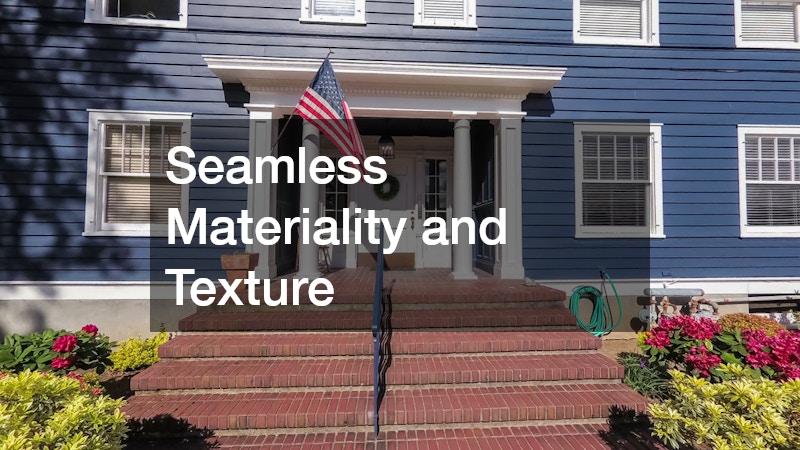
The visual success of an indoor-outdoor home relies heavily on “material continuity.” This means using the same floor tiles inside and out, perhaps just changing the finish to a more slip-resistant texture for the poolside areas. To execute this, paving contractors and interior flooring teams must work in tandem. If the heights of the subfloors are off by even half an inch, the “seamless” effect is lost. This level of coordination is what defines the luxury experience. It is the absence of friction that makes a space feel high-end.
Consistency extends to the exterior cladding as well. A new home might feature cedar siding that starts in the living room and continues right through the glass line onto the soffits of the porch. This trick of the eye pulls the viewer’s gaze outward, making the interior feel much larger than its actual footprint. It creates a sense of freedom and airiness that is difficult to achieve with traditional, closed-off architecture. When the boundaries of the room are no longer defined by solid walls, the entire property becomes the living space.
Protection and Longevity
The durability of these materials is a constant concern for homeowners. Since the exterior elements are an extension of the interior, they must be maintained with the same care. High-quality work from local roofers ensures that the structural timber and expensive interior finishes are protected from leaks. A roof failure in a house with an open-concept design can be catastrophic, as water can travel quickly through the interconnected spaces. Choosing local experts who understand the specific wind loads and rainfall patterns of the area is a vital safeguard for the investment.
In many modern luxury builds, the inclusion of a detached ADU has become a standard request. These units provide a separate space for guests or high-tech home offices that are removed from the main house’s noise. Even in these smaller structures, the indoor-outdoor theme persists. A guest house might feature a private deck or a small courtyard that makes it feel like a boutique hotel suite. The goal is to provide the same level of luxury and architectural interest in the secondary buildings as is found in the primary residence.
The Technological Backbone
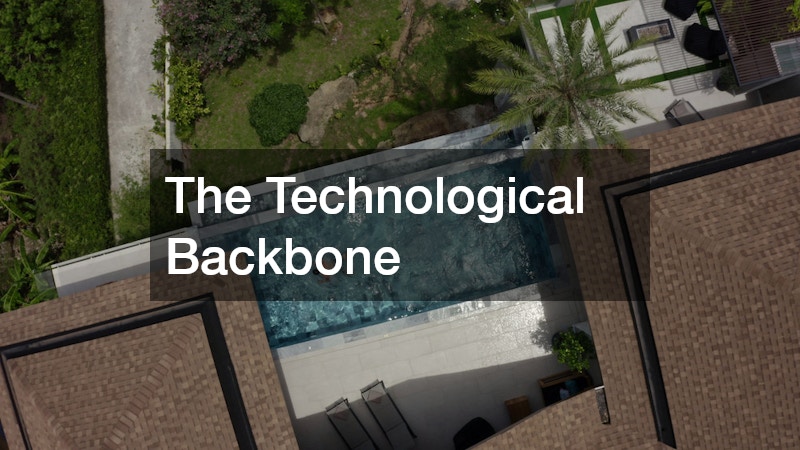
The magic of a wall that disappears at the touch of a button is made possible by the intersection of mechanical engineering and software. Advanced smart home automation systems now include “scenes” that prepare the home for entertaining. With one tap, the doors open, the outdoor heaters ignite, the music transitions to the patio speakers, and the landscape lighting dims to a warm glow. This eliminates the “chore” of indoor-outdoor living, making it a natural part of the daily routine rather than a manual process.
To support this, the local electrician must plan for a high degree of flexibility. Technology changes faster than architecture, so the wiring must be accessible for future upgrades. High-end builds often include dedicated server rooms and specialized cooling to keep the automation hardware running smoothly. This attention to the “unseen” parts of the house is a hallmark of professional construction. It ensures that the home remains functional and relevant for decades, not just for the first few years after completion.
The Flow of Essential Services
Behind the scenes, the plumbing requirements for a modern luxury home are quite extensive. From the master suite’s steam shower to the outdoor kitchen’s prep sink, the demand for consistent water pressure and temperature is high. Experienced local plumbers are tasked with designing systems that can handle multiple high-flow fixtures simultaneously. They also manage the integration of smart water shut-off valves and leak detection systems, which are crucial in homes with expensive hardwood floors and custom cabinetry that could be ruined by a minor pipe failure.
The design of these systems must be integrated early to avoid unsightly pipes or vents that could mar the clean lines of the architecture. This is why modern home builders emphasize the importance of the “rough-in” phase. By planning the paths of every pipe and wire with surgical precision, they can maintain the minimalist look that defines current luxury trends. Every vent is hidden, and every outlet is placed where it is useful but not distracting. This level of detail is what creates the “quiet” atmosphere of a high-end space.
Choosing the Right Partnership
Building a home that effectively merges the indoors with the outdoors is a monumental task. It requires a team that speaks the same design language and respects the high standards of the client. Many homeowners find that custom mansion builders offer the best results because they act as a single point of responsibility. They manage the timeline, the budget, and the quality of every subcontractor on the site. This holistic approach is the only way to ensure that the original vision isn’t diluted by the realities of the construction process.
The end result of such a collaboration is a home that feels like a natural extension of its environment. It is a place where the breeze moves through the living room, and the sound of a backyard waterfall can be heard from the kitchen. This is the pinnacle of modern living—a sanctuary that provides all the comforts of a high-tech interior while keeping the occupant connected to the beauty of the world outside. It is a complex, challenging, and rewarding way to build, and it represents the future of the luxury residential market.
How do you envision the balance between high-tech automation and natural elements in your own dream home?
