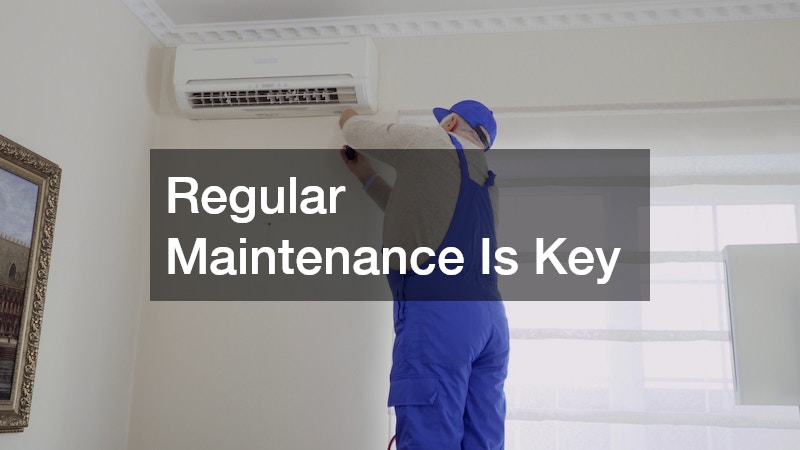
The air conditioning system in your home is crucial for maintaining comfort during hotter months. Proper maintenance and timely repairs are essential to ensure its efficient operation. However, neglecting these repairs can lead to more significant problems and costly replacements.
Common issues with air conditioning units include leaking refrigerant, clogged filters, and electrical problems, each leading to decreased efficiency and potential system failure. Identifying problems early can minimize repair costs and extend the life of your unit.
This article will explore various AC issues and provide guidance on preventing and addressing them.
The purpose of this article is to educate readers on recognizing the signs of AC malfunctions and understanding the implications of ignoring such problems. By tackling these issues head-on, homeowners can avoid the discomfort of a broken air conditioner during the peak of summer.
What Are The Signs Your AC Needs Repair?
Unusual Noises
One of the first indications that your air conditioner may need repair is the presence of unusual noises. These sounds can range from grinding and squealing to loud banging. Grinding noises often point to issues with the fan or compressor. Squealing may indicate a worn-out belt needing replacement. Ignoring these warning sounds can lead to more severe damage and costly repairs.
It’s essential to locate the source of these noises promptly to mitigate further complications. Regular maintenance checks can help identify components under stress before they fail. Homeowners are advised to listen to their units’ normal operation sounds to identify changes early. By doing so, you can immediately seek professional assessment if something doesn’t sound right. This proactive approach helps maintain the comfort of your home and the efficiency of your system.
Banging noises, in particular, may indicate a problem with the blower assembly or motor. Such issues often seem minor initially but can escalate to significant mechanical failures. The continuous presence of these noises likely means the damage has already progressed. Regular lubrication of moving parts and inspecting internal components can help prevent such occurrences. Regularly addressing these issues will ensure the longevity of the air conditioner.
Strange Odors
Another warning sign of AC problems is the presence of strange odors coming from the unit. Musty smells often indicate mold growth within the ductwork or on the evaporator coil. Burning odors can signal electrical issues or overheating components. Not only are these odors unpleasant, but they can also indicate serious underlying issues that require immediate attention.
Mold growth due to moisture buildup is a common cause of musty smells in AC systems. Ensuring that your unit is free from debris and maintaining proper drainage can prevent these occurrences. Regularly changing air filters and keeping ducts free of obstructions help promote the system’s airflow and quality. Addressing mold problems promptly is crucial as they can adversely affect your family’s health. Left unchecked, mold can spread rapidly, compromising indoor air quality and system efficiency.
On the other hand, burning odors require immediate action. Such smells typically stem from electrical components, such as wiring, overheating or malfunctioning. A professional should inspect the system to prevent fire hazards. Periodic electrical checkups can catch failing parts before they become dangerous. Ensuring your AC unit’s electrical components are in good working order is crucial for safety and performance.
Insufficient Airflow
Insufficient airflow is a widespread issue that often necessitates AC repair. Reduced airflow might suggest a problem with the air filter or ductwork obstructions. Air filters clogged with dirt and debris limit the system’s efficiency and must be replaced regularly. Blocked or leaky ductwork can also hamper airflow, causing uneven cooling throughout the home.
Neglecting these airflow problems can impact energy efficiency, leading to higher utility bills. Dirty or blocked filters force the AC system to work harder to pull air through, increasing energy consumption. Regular maintenance, including cleaning and replacing filters, is a simple step to ensure optimal airflow. Although it might seem trivial, filter maintenance has significant implications for the unit’s performance and life span. Consequently, prioritizing clean, well-maintained filters can substantially affect energy savings and efficiency.
Ductwork should be routinely checked for leaks or blockages to maintain effective cooling. Holes or improperly sealed joints can result in significant energy losses as cooled air escapes. Sealing and insulating ducts improve efficiency and maintain desired temperatures throughout the home. Addressing insufficient airflow immediately can prevent more significant issues like frozen evaporator coils. Proper airflow ensures system efficiency and the comfort of your home year-round.
Frequent Cycles
Air conditioning systems are designed to follow regular cooling cycles, regardless of the weather. An AC unit that frequently cycles on and off could indicate underlying problems. This occurrence, known as short cycling, stresses the system, leading to premature wear and tear. Faulty thermostats, clogged filters, or oversized systems commonly cause frequent cycling.
When components such as thermostats malfunction, they can wrongly signal the system to cycle more frequently due to inaccurate temperature perceptions. Addressing thermostat issues promptly helps maintain stable cycles. Paying attention to the cycling patterns can alert homeowners to potential failures. Understanding how your AC system typically operates allows you to notice any deviations in cycling. Notably, under normal conditions, your system should maintain consistent operation, activating and deactivating steadily.
Another factor contributing to frequent cycling could be the system’s size. An oversized unit cools the space too quickly, causing it to shut off and on more frequently. Consulting a professional might be necessary to evaluate the best system size for your living space. Properly sizing your AC unit ensures efficient performance and longevity. Monitoring your system’s cycle regularity is imperative to prevent additional, often expensive, repairs.
Water Leaks
Moisture accumulation around your AC unit often signals a potential problem requiring attention. Water pooling near the air conditioner can result from a blocked condensate drain line. When water cannot flow out correctly, backups can occur, creating leaks. Furthermore, refrigerant leaks can also manifest as unexpected moisture around the unit.
Water damage poses risks like mold growth, property damage, and a reduction in the system’s efficiency and longevity. The drainage system should be inspected routinely to ensure proper function. If you notice moisture or water damage around the unit, addressing the issue quickly is crucial. Regular maintenance can prevent these problems by ensuring efficient drainage systems and checking for refrigerant leaks. By keeping an eye on your AC system’s drainage, you can avoid severe water damage and maintain indoor comfort.
Ignoring standing water issues can escalate into more severe conditions involving substantial damage and costly repairs. It’s crucial to resolve leaks immediately to prevent further complications. Calling in a technician can expedite the process of identifying and fixing the root cause of water leaks. Through professional evaluation, you can ensure that your AC system maintains its integrity and efficiency. Maintaining vigilance over your system prevents unnecessary repairs and prolongs the appliance’s life, optimizing performance and comfort.
Why Is My Air Conditioner Blowing Warm Air?
Thermostat Issues
Warm air blowing from the air conditioning system can be frustrating, especially during intense heat periods. Improper thermostat settings or malfunctioning devices commonly cause this problem. When thermostats are not calibrated correctly, they may misinterpret temperature readings, forcing the system to blow warm air. Ensuring the thermostat is set to the right mode and temperature gauge is crucial for efficient cooling. Proper calibration and operational checks are essential to avoid temperature discrepancies.
Furthermore, damaged or non-functional thermostats also contribute to temperature inconsistencies. As a result, the system can seem unpredictable, veering off its usual cooling trajectory. Replacing or regularly checking the system’s thermostat is essential to maintain accurate and steady functionality. A faulty thermostat can disrupt home comfort and system efficiency, affecting performance and energy consumption. Taking proactive measures ensures proper system operation and prevents warm air from disrupting indoor comfort.
Thermostat location can affect its ability to read room temperature accurately, potentially causing system inefficiency. Key factors like direct sunlight, drafts, and frequent usage play pivotal roles in thermostat performance, influencing its readings. Placing the thermostat in a central location free of fluctuating temperatures ensures more accurate readings. Addressing thermostat issues immediately maintains consistent comfort and system performance. Regular checks will mitigate future issues and maintain proper temperatures within the desired setting.
Refrigerant Leak
Low refrigerant levels in an AC system significantly impact its cooling capacity. Refrigerant circulates as a key component of the cooling process, responsible for absorbing heat from indoor spaces. A leak in the refrigerant lines diminishes cooling efficiency, causing warm air to blow from the vents. Understanding refrigerant’s role in the cooling mechanism emphasizes its importance in maintaining a comfortable indoor environment during hot seasons.
Refrigerant levels dropping might escalate into serious compressor damage, resulting in major repair expenses. Addressing refrigerant leaks as soon as they are detected is crucial to prevent further harm. Professional servicing of refrigerant lines ensures accurate diagnosis and resolution, restoring optimal cooling efficiency. Ignoring refrigerant warnings could lead to problems like frozen coils or compressor burnout. Ensuring the refrigerant levels are adequate and consistent helps protect the system from recurring issues.
Detecting refrigerant leaks usually necessitates specialized tools and professional expertise. Recharging your system’s refrigerant levels without proper diagnosis could be harmful. Rather than a DIY fix, a trained technician should assess refrigerant levels to guarantee an efficient, safe solution. Professional handling prevents environmental hazards, upholding laws on refrigerant handling and disposal. Keeping refrigerant levels in check through regular maintenance extends the life and efficiency of your AC unit.
Dirty Air Filter
Air filters play a vital role in maintaining your AC system’s efficiency, allowing clean airflow throughout the home. Over time, filters can accumulate dust and particulates, restricting airflow and causing reduced cooling performance. A dirty air filter significantly decreases the system’s capability to deliver cold air, resulting in warm or uneven cooling. Regularly checking and replacing air filters is critical to preventing operational inefficiencies.
Neglecting air filter maintenance can lead to various issues, including more frequent AC cycling due to improper temperature control. Dirty filters force the system to work harder, driving up energy bills due to increased consumption. Timely change-outs ensure clean, uninterrupted flow, reducing strain on the system’s components. Failing to replace filters may compromise indoor air quality, adversely affecting health over time. Homeowners must prioritize clean filters to guarantee healthy, efficient cooling throughout the property.
Furthermore, a clogged filter can adversely impact other components, like fan motors or evaporator coils. Continuous maintenance keeps the air conditioning system efficient and functioning correctly. Using high-quality filters can make a significant difference in maintaining clean airflow. Filter maintenance is an accessible step to take in preserving your AC’s efficiency. Consistent air filter replacement optimizes the system’s cooling potential and enhances the comfort within your living environment.
Compressor Problems
The compressor is the heart of your AC system, responsible for circulating refrigerant through the coils. A malfunctioning compressor can cause warm air to blow from the vents, severely affecting the system’s cooling capabilities. Common faults include electrical failures, motor issues, or mechanical problems caused by wear and tear over time.
Regular maintenance is essential to monitor the condition of your system’s compressor. Detecting electrical or mechanical issues early can prevent extensive damage and costly repairs. Scheduling routine checkups allows professionals to inspect the compressor’s operation meticulously. By ensuring consistent performance, your system will maintain efficient cooling and prolong its life span. Avoiding compressor damage through attentive maintenance is pivotal in preserving the system’s operational integrity.
Compressor issues can also result from underlying refrigerant problems or poor system maintenance. Homeowners must be aware of warning signs such as unusual noises or loss of cooling power. Addressing these indicators early helps minimize repair costs and mitigate additional damage. Proper care and prompt diagnostics ensure that your compressor operates optimally during peak seasons. Through vigilant maintenance, your home can enjoy sustained comfort and cooling efficiency.
Electrical Issues
Electrical problems can significantly impact your AC system’s ability to cool effectively. A malfunctioning capacitor or defective wiring might cause the system to underperform, leading to warm air blowing instead of cool. Electrical issues can affect the compressor, fan, or thermostat, disrupting overall operation. Regular electrical inspections can detect failing components early, avoiding potential failures.
It’s essential to address any electrical anomalies promptly to prevent disruptions or extensive damage. Working with professionals to resolve electrical issues ensures the system’s safety and reliability. Delaying repairs might lead to increased utility bills and decreased system efficiency. Identifying potential electrical risks and repairing faulty elements promotes long-term operability. Through periodic electrical testing, homeowners can safeguard their AC systems and ensure optimal performance.
Electrical inspections also extend to checking for corroded terminals or faulty circuit breakers, vital for thorough assessments. Such issues can interfere with power flow, impairing the system’s ability to generate the desired cool environment. Vigilance in identifying malfunctioning or compromised electrical components prevents hazards, ensuring comfort and peace of mind. Professional intervention ensures a comprehensive evaluation, preserving the property’s safety and air conditioning efficiency. Prioritizing electrical checkups is an important preventative measure equal to maintaining filters and coils, guaranteeing system efficiency at all times.
How To Prevent Common AC Issues?
Regular Maintenance
Regular maintenance is key to avoiding common AC issues and prolonging the system’s life span. Scheduling routine inspections allows professionals to identify potential problems before they escalate. Preventative maintenance reduces the risk of unexpected breakdowns and costly repairs. Simple checks and balances ensure the smooth functioning of your system throughout the year.
Maintenance routines typically involve cleaning and inspecting critical components, such as filters, coils, and electrical systems. This proactive management prevents dust and debris accumulation, ensuring optimal airflow and efficient system operation. Addressing minor issues during routine checks can prevent major problems down the line. By dedicating time to regular AC maintenance, homeowners can ensure a comfortable environment regardless of the season. Maintenance plays a vital role in keeping the AC system reliable and cost-effective.
Aside from professional inspections, homeowners should periodically evaluate system performance. Monitoring temperature settings, observing cycling patterns, and listening for unusual sounds can identify potential issues. Educating oneself about the system’s workings encourages timely interventions and resolutions. Attention to detail promotes consistent performance and reduced maintenance costs. Routine maintenance is a wise investment that fosters peace of mind and sustained indoor comfort.
Clean/Replacing Filters
Air filter maintenance is a straightforward yet vital task that greatly impacts AC system efficiency. Clean air filters improve airflow, enhance indoor air quality, and reduce energy consumption. Over time, filters can become clogged with dust, reducing their effectiveness and hindering system performance.
Replacing air filters regularly ensures unrestricted airflow, allowing the system to function optimally. Typically, filters should be checked monthly and replaced as needed, depending on usage and environmental factors. Homes with pets, smokers, or residents with allergies may require more frequent filter changes. Maintaining clean air filters is a simple step that extends the life of other system components. Prioritizing filter replacement keeps repair costs down and ensures a cleaner indoor environment.
Neglecting air filter maintenance can lead to breakdowns and increased energy bills. The added strain on the system to push air through clogged filters can wear down mechanical components. Addressing filter problems promptly prevents unnecessary wear and tear. Clean and maintained air filters help minimize repair demands, boosting efficiency and longevity. Implementing regular filter checks is essential for sustained air conditioning performance and comfort.
Inspecting Thermostat
Frequent inspection of your thermostat is essential for maintaining temperature control and system efficiency. An accurate thermostat ensures your AC operates properly, promoting comfort and consistent indoor climate. Faulty thermostats can lead to temperature discrepancies, causing costly energy consumption.
Homeowners should routinely check thermostat settings to ensure accuracy and performance. For systems with programmable thermostats, verifying and updating program schedules can optimize efficiency. If issues arise, recalibration or replacement might be necessary to restore proper function. Regularly inspecting thermostats prevents malfunctions, protecting system operations. Proper thermostat use helps maintain a comfortable indoor environment while reducing energy expenses.
Avoiding common thermostat issues can significantly increase overall satisfaction with your HVAC system. Ensure the device is free from obstructions that could influence accuracy, like nearby heat sources or drafts. Protecting the thermostat’s operational integrity supports efficient temperature maintenance year-round. Effective thermostat management leads to sustained comfort, enhancing AC effectiveness. Investing time and resources in thermostat maintenance is vital for optimizing system operation.
Clear Condenser Coils
Condenser coils play a significant role in your AC system’s cooling function, releasing captured heat outside. Clean coils maintain the system’s efficiency, optimizing temperature control within your home. Over time, debris accumulation can reduce coil effectiveness, forcing the system to work harder.
Coil maintenance involves routine cleaning to ensure optimal heat transfer and energy efficiency. Homeowners are advised to inspect coils at the start and end of each season, removing any collected debris. Professional servicing can address deeply ingrained dirt or if physical damage is apparent. Investing in regular maintenance creates a more reliable and cost-effective cooling system. Clean coils support consistent operation, reducing the chance of sudden malfunctions.
Clogged coils can lead to increased energy bills and stress on the system, leading to further problems down the line. The accumulated strain can induce wear on additional components, increasing repair needs. Regular coil inspections prevent such issues, maintaining efficient cooling performance. Through careful upkeep, homeowners can secure efficient coil operation, prolonging the system’s life span. Regularly addressing coil cleanliness boosts system performance, optimizing energy consumption.
Check and Seal Ductwork
Ductwork integrity is vital for delivering cool air throughout your home, ensuring comfort and AC system efficiency. Leaks, holes, or poorly sealed joints can result in significant air loss and reduced system performance. Inspecting ductwork and sealing identified problems prevents energy wastage and increases efficiency.
Duct inspections should be part of regular HVAC maintenance schedules, addressing gaps or loose connections. A professional can use diagnostic tools to locate and fix defects, improving ductwork performance. By ensuring ducts are sealed and properly connected, you allow maximum cooled air to reach intended spaces.