
Key Takeaways
- Patio door upgrades consistently rank among the highest-returning home improvements, often recouping more than their initial cost at resale.
- Expansive glass openings increase perceived square footage by visually merging interior rooms with yards, patios, and gardens.
- Energy-efficient glazing, thermal breaks, and multi-point locking systems address buyer concerns about utility costs and security.
- Market demand for wide-opening glass door systems is climbing steadily, signaling strong long-term buyer interest.
- Natural light flow improves mood, reduces electricity use, and photographs beautifully in listings, which shortens time on market.
- Pairing wide glass panels with thoughtful outdoor features like patios amplifies value far beyond the door installation itself.
- Material choices, hardware quality, and professional installation determine whether the upgrade reads as luxury or liability to appraisers.
Walk into any newly listed home that commands a premium price, and you will likely notice one feature doing a lot of heavy lifting: a wall of glass that opens wide to the backyard. Buyers linger there. They imagine morning coffee on the patio, dinner parties that spill onto the lawn, kids running freely between the kitchen and the garden. That emotional reaction is not accidental. It is the result of a design shift that has been reshaping residential real estate for more than a decade.
Homeowners planning renovations with resale in mind face dozens of choices, from kitchen finishes to flooring. But few upgrades deliver the combination of visual impact, lifestyle appeal, and measurable return that large glass door systems offer. They change how a room feels, how light moves through a floor plan, and how a property photographs in listings.
The question is no longer whether buyers want this feature. Data shows they do. The real question is how to execute the upgrade in a way that maximizes return, holds up over time, and reads as premium rather than trendy. This article digs into the research, the market forces, and the design principles behind one of the most reliable resale upgrades available today.
Why Buyers Pay More for Homes That Blur the Line Between Inside and Out
The appeal of connecting interior rooms to outdoor spaces is rooted in human psychology and reinforced by lifestyle trends that gained momentum during the pandemic. People spent more time at home. They cooked outside, worked from patios, and rediscovered the value of fresh air. Those habits stuck.
Buyers now walk through listings with a mental checklist that prioritizes airflow, natural light, and usable outdoor square footage. A home that treats the backyard as an afterthought feels dated. One that integrates it feels modern, generous, and worth more per square foot. This shift shows up clearly in buyer surveys. According to the National Association of Realtors, 63% of homeowners said they would prioritize investing in an outdoor living space if they were to remodel.
That number matters because it signals where discretionary dollars are going. When nearly two-thirds of homeowners rank outdoor living above other upgrades, sellers who already have that feature in place start from an advantaged position. They are selling what the market is actively shopping for.
The Return on Investment Numbers Behind Glass Door Upgrades
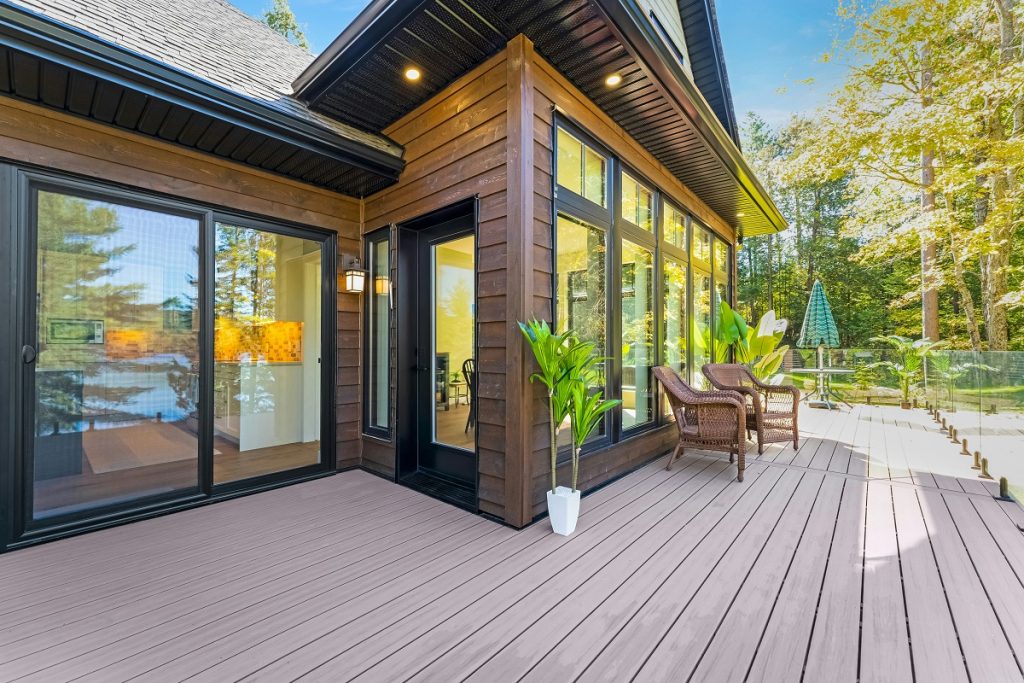
Not every renovation pays you back. Kitchens and bathrooms get the headlines, but their returns often hover between 50 and 70 percent of cost, and sometimes dip even lower when buyers disagree with the finishes you chose. A kitchen tiled in bold blue, a bathroom with an oversized soaking tub, a built-in wine cellar — these personal touches can actually depress offers from buyers who see them as projects to undo. Patio door replacements tell a different story. The economics tilt heavily in the homeowner’s favor, which is why savvy renovators treat this upgrade as a near-automatic yes. Glass is neutral. Light is universally desired. A seamless transition to the backyard appeals to virtually every demographic walking through the front door, from young families to downsizing retirees.
According to West Shore Home, patio door replacement delivers a 145% return on investment, with energy-efficient sliding and French models adding both comfort and resale value. That figure is remarkable because it exceeds the cost of the project itself. Few home improvements accomplish that. For context, even high-performing projects like garage door replacement and manufactured stone veneer typically cap out somewhere near 100 percent. A return above the full project cost means the door effectively pays for itself and then adds a bonus on top — a rare outcome in the renovation world, and one that reframes sliding doors for indoor-outdoor living as less of an expense and more of a strategic investment.
Several factors drive the strong return:
- Replacement is typically faster and less disruptive than full remodels, often completed in a single day with minimal mess
- Modern units dramatically improve energy performance over older models, reducing both heating and cooling bills in a measurable way
- The visual upgrade is immediate and photographs well for listings, giving your home a competitive edge in online searches
- Buyers perceive new door systems as reduced future maintenance, which translates into stronger offers and shorter negotiation cycles
- Warranty transfers add negotiating leverage during sale, letting sellers point to documented long-term value
- The upgrade enhances every adjacent room by flooding it with daylight, effectively improving spaces you did not even renovate
How Appraisers Factor Door Upgrades Into Valuations
Appraisers do not assign a line-item dollar amount to every feature. Instead, they compare your home to recent sales of similar properties, adjusting up or down based on condition, finishes, and standout features. When a comparable home sells for a premium and the standout difference is a wide glass door system opening to an upgraded patio, that premium gets baked into your valuation. Appraisers also note how the door changes the functional square footage of the home — a covered patio connected by a 12-foot slider often reads as bonus living space during warmer months, which influences the comparables they select. Over time, these comparisons establish neighborhood benchmarks that favor sellers who invested early. In neighborhoods where indoor-outdoor living has become an expected feature rather than a luxury, homes without modern glass door systems often sit longer on the market and attract lower bids, flipping the ROI calculation into something closer to a defensive necessity.
The Lifestyle Shift Driving Demand for Wider Glass Openings
Design preferences follow culture, and culture has moved decisively toward flexibility. Open floor plans dominated the 2000s. The next evolution extends that openness past the exterior wall. Installing sliding doors for indoor-outdoor living has become a defining move for homeowners who want their square footage to feel larger without actually building an addition.
This is not just an aesthetic preference. The market is responding with real growth. According to Future Market Insights, the sliding patio glass door market is projected to grow from USD 1.7 billion in 2025 to USD 2.5 billion by 2035, reflecting a steady compound annual growth rate of 4.1 percent. That trajectory signals sustained demand across new construction and renovation.
Architects designing high-end residences have been leading this charge for years, favoring seamless indoor-outdoor transitions that treat glass walls as a defining element rather than a secondary feature. What was once exclusive to luxury custom homes has filtered down to mid-market renovations, which is exactly how design trends become resale expectations.
What Makes a Glass Door System Actually Add Value
Not every installation lifts a home’s price. A poorly chosen product can drag it down by introducing drafts, security concerns, condensation issues, or an obvious mismatch with the home’s architecture. Appraisers and buyers alike notice when a glass wall feels flimsy, when panels stick, or when the frame style clashes with the rest of the facade. The difference between a value-adding upgrade and a costly mistake comes down to a handful of technical and design decisions that are easy to overlook if you’re shopping on price alone.
Prioritize these qualities when selecting a system:
- Low-E coated, double or triple-pane glass with argon or krypton gas fills for thermal performance
- Thermally broken frames in aluminum, fiberglass, or clad wood to minimize heat transfer and condensation
- Multi-point locking hardware with reinforced strike plates and laminated or tempered safety glass
- Smooth-operating stainless steel rollers rated for the full panel weight, ideally with adjustable height
- Weather sealing engineered for your climate zone, including compression gaskets and brush seals at meeting stiles
- Proper sill drainage with weep holes and sloped tracks to prevent water intrusion during driving rain
- Certified performance ratings (NFRC, AAMA) that document U-factor, air infiltration, and water resistance
A well-specified system will carry documented test data for structural load, air leakage, water penetration, and forced-entry resistance. Ask for those numbers before you buy. Reputable manufacturers publish them openly, while budget brands tend to bury or omit them entirely. These specs become particularly important if you’re installing sliding doors for indoor-outdoor living in a coastal, high-wind, or extreme-temperature region, where under-engineered products fail within a few seasons.
Material Choices That Hold Up Over Time
Aluminum frames allow for the thinnest sightlines and the largest panels, which is why they dominate contemporary architecture and high-end indoor-outdoor living projects. Modern thermally broken aluminum systems overcome the old reputation for cold frames and condensation, delivering strong insulation values while supporting panels ten feet tall or more. Fiberglass offers excellent thermal performance at a lower price point, resists warping and swelling with humidity shifts, and holds paint well for decades. Wood-clad options, usually aluminum or bronze on the exterior with solid wood inside, suit traditional and transitional homes where visible interior wood matches existing trim, flooring, or cabinetry. Vinyl is the most affordable choice, though it limits panel size, discolors in direct sun, and tends to read as builder-grade to discerning buyers walking through an open house.
Matching the material to the home’s architectural style protects the investment and keeps the upgrade from looking out of place. A sleek aluminum multi-slide wall belongs on a modern or mid-century home, while a Craftsman or Colonial will almost always benefit from clad wood with divided lites. Getting this pairing right is often what separates a renovation that feels custom from one that feels tacked on, and it’s one of the clearest signals buyers use to judge overall build quality.
How Natural Light and Visual Space Influence Buyer Decisions
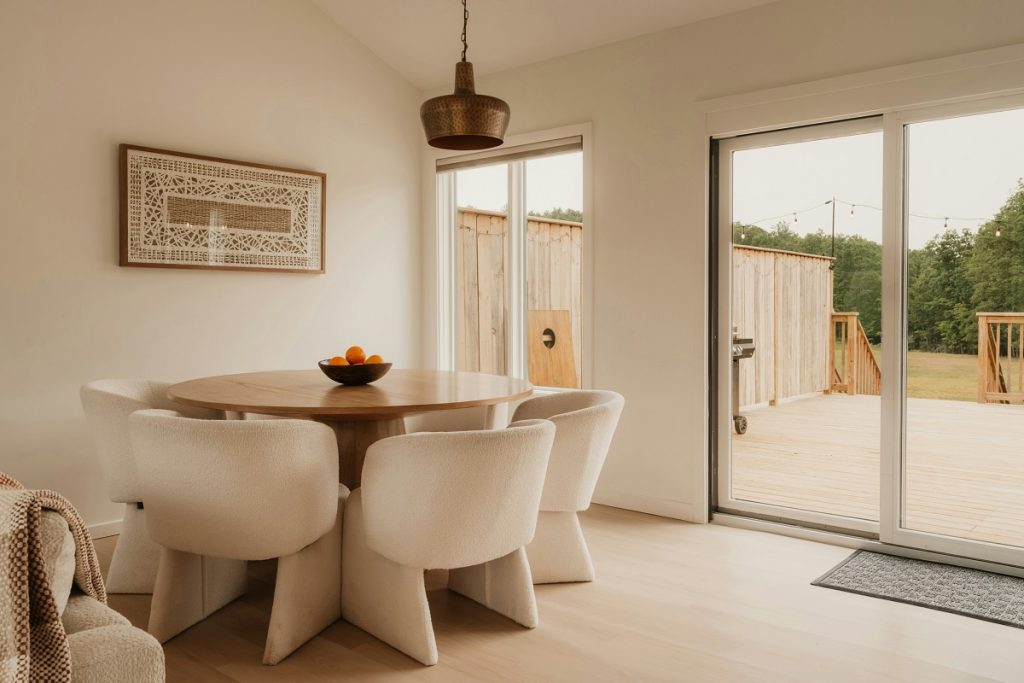
Walk into a dim room and your first instinct is to leave. Walk into one flooded with daylight and framed by a view of green space, and you want to stay. That reaction happens within seconds, often before a buyer has registered any other feature of the home. Light sells.
Large glass door systems amplify this effect in ways that smaller windows cannot. A standard window frames a view. A twelve-foot sliding panel becomes the view, pulling the outdoors into the room as a living backdrop. Rooms feel taller, wider, and more connected to the landscape beyond. In listing photos, this translates to brighter interiors, richer color saturation, and the kind of airy composition that stops scrollers mid-swipe.
Daylight also carries practical benefits that buyers increasingly recognize. Reduced reliance on artificial lighting lowers electricity bills. Exposure to natural light supports better sleep cycles and productivity for anyone working from home. These advantages reinforce the emotional pull of a bright, open space with measurable lifestyle gains.
Staging Rooms Around a Glass Wall
The most effective staging arrangements orient furniture toward the glass rather than away from it. A sofa angled to share sightlines with the patio, a dining table positioned to catch afternoon light, or a reading chair tucked near the panels all signal that the room was designed around its best feature. Buyers notice these cues subconsciously and attach a higher value to homes that feel intentionally composed.
Pairing Glass Doors With Outdoor Features That Multiply Value
A beautiful door opening onto a patch of weeds does not deliver the full return. The space on the other side of the glass matters just as much as the door itself. Thoughtful outdoor features turn the view into a destination, which is how indoor-outdoor living transforms from a design concept into a daily habit buyers are willing to pay for.
Consider pairing the door upgrade with:
- A covered patio or pergola that extends usable season
- Outdoor kitchen elements, even a modest built-in grill station
- Flush or minimal-step thresholds that create visual continuity
- Coordinated flooring materials that carry the eye outward
- Landscape lighting that keeps the view alive after sunset
- Privacy plantings or fencing that frame the sightline
Each of these elements compounds the perceived value of the glass system. A door that opens to a fully realized outdoor room reads as a lifestyle investment. The same door opening to a bare lawn reads as unfinished potential.
Threshold Design Details That Matter
The transition point between interior flooring and exterior decking is where good installations distinguish themselves from great ones. Flush thresholds remove the visual break and make the two spaces feel like one continuous room. They also improve accessibility, which appeals to multigenerational buyers and anyone planning to age in place. Proper drainage design beneath a flush sill is non-negotiable, since water intrusion at this junction is one of the most common failures in cheaper installations.
Common Mistakes That Undermine Resale Value
Even a well-intentioned upgrade can backfire when key decisions are rushed. The most frequent missteps involve mismatched proportions, inadequate structural support for wide openings, and bargain hardware that fails within a few years. Buyers inspecting a home can spot sticky rollers, foggy glass seals, and flimsy latches almost immediately, and those details color their perception of the entire renovation.
Avoid these pitfalls:
- Choosing panels so large they overwhelm the home’s exterior scale
- Skipping a structural engineer when removing load-bearing walls
- Installing without proper flashing and waterproofing membranes
- Selecting hardware finishes that clash with existing fixtures
- Opting for the cheapest unit in a premium frame size
- Ignoring HOA or local code requirements for egress and glazing
Professional installation protects the investment. A door system is only as good as the opening it sits in, and sloppy framing or sealing will shorten its lifespan and invite callbacks that erode buyer confidence during inspection.
Closing Thoughts
Large glass door systems have moved from luxury flourish to resale essential, and the data backing that shift keeps strengthening. Buyers reward homes that feel bright, connected, and ready for the way people actually live now. Sellers who invested in quality openings recover their costs and often more, while enjoying the lifestyle benefits for every year they remain in the home.
The upgrade works because it touches every lever that drives resale value at once. It improves energy performance, expands perceived square footage, strengthens listing photography, and signals thoughtful maintenance to appraisers and inspectors. Few other renovations check all of those boxes simultaneously, which is why patio door replacements continue to outperform flashier projects on return-on-investment surveys.
For homeowners weighing where to put renovation dollars, the path is clear. Choose quality materials, hire installers who understand flashing and structural detail, and pair the door with an outdoor space worth looking at. Done well, this single upgrade reshapes how a home lives and how the market values it, long before the listing goes live.
