
Most homeowners think about upgrades in terms of looks, but the improvements that make the biggest difference are the ones you never see once they are finished. A house that functions well keeps you comfortable, saves you money, and prevents small problems from becoming expensive disasters. Whether you are renovating an older home or planning ahead for a new build, understanding which systems actually change daily life helps you prioritize your budget wisely. This guide breaks down the upgrades that reshape how a house performs, room by room and system by system.
Heating and Cooling System Replacement
The temperature control system in your home affects everything from your utility bills to how well you sleep at night. Older furnaces and air conditioners often run inefficiently, cycling on and off constantly and leaving certain rooms too hot or too cold. Scheduling a professional HVAC service before a major breakdown happens gives you time to compare options instead of making a rushed decision during a heatwave or cold snap. A properly sized and maintained system also reduces humidity problems and improves indoor air quality throughout the year.
Many homeowners wait until a system fails completely, but proactive maintenance visits twice a year can extend equipment life significantly. Technicians can catch worn belts, refrigerant leaks, and clogged filters before they cause a full shutdown. This kind of attention pays off in lower energy bills and fewer emergency repair calls.
- Look for systems with a SEER rating of 16 or higher for better efficiency
- Ask about zoned heating and cooling if certain rooms never feel right
- Replace air filters every one to three months depending on household needs
- Consider a smart thermostat to track usage patterns over time
Whole House Water Pressure and Supply

Water pressure problems often signal issues deeper in the plumbing system, and ignoring them can lead to bigger headaches down the line. Normal residential water pressure should fall between 40 and 60 psi; anything lower can leave showers weak and dishwashers underperforming, while anything above 80 psi puts real strain on pipes and appliances. Low pressure might mean mineral buildup in old pipes, a failing pressure regulator, or even a hidden leak siphoning water before it reaches your fixtures. Sudden spikes, on the other hand, can stress fixtures and shorten their lifespan, leading to premature wear on washing machine hoses, water heaters, and faucet cartridges. Installing a pressure-reducing valve is often a simple fix that protects the entire system at once. Addressing plumbing repairs early, rather than waiting for a pipe to burst, protects your walls, floors, and foundation from water damage. Whole-house upgrades worth considering include re-piping older galvanized lines with copper or PEX, which resist corrosion and maintain steadier flow for decades. A licensed plumber can also test your water heater and main shutoff valve to make sure everything is functioning as it should, and can install an expansion tank if your system shows signs of pressure buildup. Catching these issues during a routine inspection is far cheaper than emergency repairs after a failure.
For homes relying on private water sources, the equation changes slightly. Working with experienced well drilling companies ensures your well is properly sited, sized, and equipped with the right pump for your household’s demand. A poorly drilled or aging well can lead to inconsistent pressure, sediment in your water, and costly emergency fixes. Well depth and pump type matter more than most homeowners realize. A shallow well might only need a jet pump, while deeper wells often require a submersible pump rated for the specific flow and pressure your household needs — typically 8 to 12 gallons per minute for an average family. Undersized pumps struggle during peak demand, like running a shower while the dishwasher and washing machine are both going. Getting the water table and geology assessed upfront saves significant frustration later. Soil composition and rock layers affect not just how deep a well needs to go, but also water quality and long-term yield. Skipping this step can mean discovering years later that your well runs dry during drought season or delivers water laden with minerals that damage pipes and appliances. A pressure tank sized to match your well and household is another detail worth getting right the first time. Undersized tanks cause the pump to cycle on and off too frequently, shortening its lifespan, while a properly matched system keeps pressure steady from the kitchen faucet to the upstairs shower.
- Test water pressure with a simple gauge from a hardware store; ideal residential pressure is 40-60 psi, and anything above 80 psi warrants a pressure-reducing valve
- Watch for rust-colored water, which can indicate pipe corrosion, especially in homes with galvanized steel pipes over 20 years old
- Insulate exposed pipes in unheated areas like crawlspaces, garages, and attics to prevent freezing, using foam sleeves or heat tape in colder climates
- Have your well water tested annually for bacteria and mineral content, and more often if you notice changes in taste, smell, or color
- Check water heater sediment buildup yearly, since mineral deposits can reduce efficiency and shorten the unit’s lifespan
- Consider a whole-house water softener if hardness levels exceed 7 grains per gallon to protect pipes and appliances
Roof Structure and Weatherproofing
Your roof does more than keep rain out; it plays a major role in insulation, ventilation, and structural integrity. Small leaks that go unnoticed can rot the decking underneath, leading to mold growth and sagging areas that are expensive to fix. Reputable roofing companies can inspect for cracked flashing, missing shingles, and ventilation gaps that let heat escape in winter and build up in summer. Catching these issues early is far cheaper than dealing with interior water damage later.
Sometimes a full replacement is not necessary and targeted roof repairing can solve the problem for a fraction of the cost. Patching damaged sections, resealing seams, and replacing a handful of shingles can add years to a roof’s life when the underlying structure is still sound. A professional inspection will tell you honestly whether repair or replacement makes more financial sense.
- Check attic insulation levels, since heat loss often starts at the roofline
- Clear gutters twice a year to prevent water backup under shingles
- Look for daylight through the attic boards as a sign of gaps
- Ask for a written estimate that separates repair versus replacement costs
Kitchen Layout and Storage Redesign

The kitchen is often the busiest room in the house, and a poor layout can make simple tasks feel unnecessarily difficult. Reconfiguring cabinet placement, counter height, and appliance flow changes how efficiently the space works for cooking and cleanup. Many homeowners find that consulting with kitchen cabinet companies during a remodel opens up storage solutions they had not considered, like pull-out shelving or vertical dividers for baking trays. These changes make a real difference in daily use, not just in appearance.
Beyond storage, think about the working triangle between your sink, stove, and refrigerator, since awkward spacing here creates unnecessary steps every time you cook. Updating counter materials and lighting also affects how safe and pleasant the space feels during meal prep. A well-planned kitchen redesign tends to be one of the upgrades homeowners notice the most, every single day.
- Add pull-out trash and recycling bins to free up under-sink space
- Install deep drawers instead of lower cabinets for pots and pans
- Use under-cabinet lighting to reduce shadows on countertops
- Consider a lazy Susan or corner pull-out for wasted corner space
Garage Organization and Function
Garages often become dumping grounds for tools, sporting equipment, and holiday decorations, which makes it hard to actually park a car inside. Installing garage cabinets creates dedicated zones for different categories of items, keeping the floor clear and reducing the time spent searching for things. Wall-mounted systems and overhead storage racks can also free up significant floor space without requiring an addition to the structure. A well-organized garage can even double as a functional workspace for hobbies or small projects.
Beyond storage, consider the garage’s insulation and door seal, especially if it is attached to the house. A poorly sealed garage door lets outside temperatures affect adjacent rooms, driving up heating and cooling costs. Weatherstripping and insulated garage doors are relatively small investments that noticeably improve comfort in nearby living spaces.
- Group items by category: tools, sports gear, seasonal decor, automotive supplies
- Use clear bins with labels for easier visual identification
- Install a slat wall system for frequently used hand tools
- Add a workbench with built-in storage for small projects
Custom Additions Built Around Daily Habits

Sometimes the most functional upgrade is not a fix but a thoughtful addition designed around how your family actually lives. Working with a custom home builder allows you to plan spaces like mudrooms, home offices, or in-law suites that solve real daily friction points rather than generic add-ons. This kind of planning considers traffic flow, natural light, and storage needs specific to your household. The result is a home that adapts to your routines instead of forcing you to adapt to it.
These projects require more upfront planning than a simple remodel, since structural changes often involve permits, foundation work, and coordination between multiple trades. Taking time to map out how a new space will be used, whether for remote work, aging family members, or hobbies, prevents costly redesigns later. A thorough planning phase is what separates additions that get used daily from those that become storage rooms within a year.
- Prioritize natural light in any new living space to reduce energy use
- Plan electrical and data outlets based on how the room will actually be used
- Consider future needs, like accessibility features for aging in place
- Match the addition’s exterior materials to the existing home for consistency
Cooling System Efficiency and Air Quality
Beyond basic temperature control, the quality of air circulating through your home affects allergies, dust levels, and general comfort. An outdated air conditioning unit can struggle to dehumidify properly, leaving rooms feeling clammy even when the temperature reads comfortable. Bringing in a reliable AC company to evaluate your ductwork and airflow can reveal leaks or blockages that reduce efficiency without you realizing it. Sealed and properly insulated ducts alone can improve cooling performance by a noticeable margin.
Air quality also depends on filtration and humidity control, not just the raw cooling capacity of the unit. Adding a whole-house dehumidifier or upgrading to a higher-rated filter can reduce allergens and musty odors, especially in basements or homes in humid climates. These smaller adjustments often make more difference in comfort than people expect.
- Have ductwork inspected for leaks every few years
- Change filters more frequently in homes with pets
- Consider a UV light filtration add-on for allergy-prone households
- Keep outdoor condenser units clear of debris and vegetation
Emergency Repairs After Fire or Water Damage
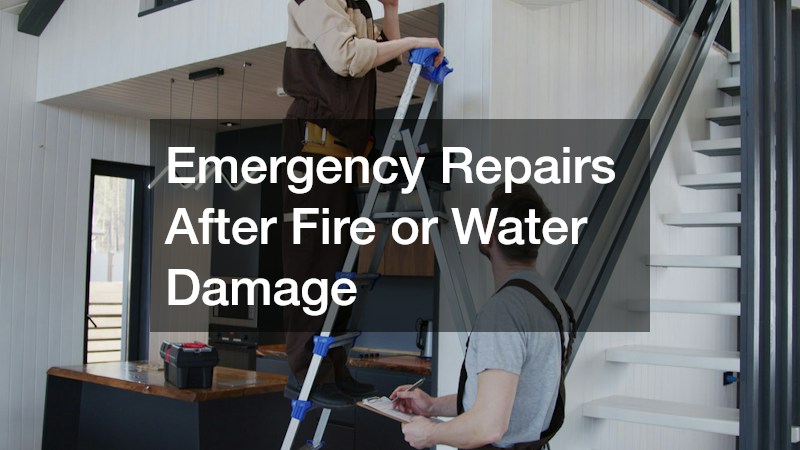
Not every upgrade is planned; sometimes a house needs significant repair after an unexpected event like a fire, and how quickly you respond affects the long-term outcome. Professional fire damage restoration addresses not just visible char and soot but also lingering smoke odor and structural weakening that is not obvious at first glance. Acting quickly reduces the risk of secondary issues like mold growth from water used to extinguish the fire. Insurance companies often require documented professional assessments anyway, so bringing in specialists early streamlines the claims process.
Beyond the immediate cleanup, restoration work is a good opportunity to reassess whether affected systems, like wiring or ventilation, need upgrading rather than simple replacement. Rebuilding with better materials and updated code compliance can leave the home safer than it was before the damage occurred. This turns a difficult situation into a chance for meaningful improvement.
- Document all damage with photos before cleanup begins
- Ask about air quality testing after smoke exposure
- Confirm what your insurance policy covers before starting repairs
- Prioritize structural inspections before cosmetic fixes
Upgrading a home for real functionality means looking past surface-level style choices and focusing on the systems that shape everyday comfort and safety. Start by identifying which area causes the most daily frustration, whether that is an inefficient kitchen, unreliable water pressure, or a garage you can barely walk through. Prioritizing one or two projects at a time makes the process manageable and lets you see tangible improvements sooner. Whatever you tackle first, informed decisions now will save time, money, and stress for years to come.
