
Key Takeaways
- Choose native plants, ornamental grasses, and succulents to create an attractive landscape that requires less water and maintenance.
- Replace sections of traditional lawn with gravel, rock gardens, or ground covers to reduce upkeep and conserve water.
- Use mulch and drip irrigation to help plants retain moisture and improve watering efficiency.
- Combine hardscaping features with drought-tolerant plants to add structure, function, and long-lasting visual appeal.
- Group plants with similar watering needs to simplify irrigation and support healthier growth.
- Plan landscaping improvements alongside other outdoor projects for a more cohesive and efficient design.
- Perform regular maintenance to keep your yard healthy, attractive, and easy to manage throughout the year.
A beautiful yard doesn’t have to require constant watering, endless mowing, or hours of weekend maintenance. As many regions experience hotter summers and changing weather patterns, more homeowners are looking for landscaping ideas that conserve water while still creating an attractive outdoor space. Drought-tolerant landscaping offers an excellent solution by combining hardy plants, smart design, and efficient water use.
Choosing plants that naturally thrive with less water doesn’t mean settling for a plain or lifeless yard. Today’s drought-friendly landscapes feature colorful flowers, ornamental grasses, textured shrubs, decorative stone, and creative hardscaping that can rival traditional lawns in both beauty and curb appeal. Best of all, these landscapes often require less maintenance once established, giving homeowners more time to enjoy their outdoor spaces.
Whether you’re redesigning your entire yard or updating just a few areas, these 15 drought-tolerant landscaping ideas can help you build a beautiful, practical, and low-maintenance landscape that looks great throughout the year.
Why Choose Drought-Tolerant Landscaping?
Traditional lawns often require significant amounts of water, fertilizer, mowing, and ongoing care. Drought-tolerant landscaping reduces many of these demands by selecting plants that naturally adapt to drier conditions.
These landscapes often remain attractive during periods of limited rainfall while reducing the amount of irrigation needed. They can also lower maintenance costs over time by minimizing mowing, trimming, and seasonal replanting.
In addition to conserving water, drought-friendly landscapes frequently attract pollinators like butterflies and bees, adding life and movement to your yard.
A thoughtful design balances beauty, function, and sustainability.
Benefits include:
- Reduced water use
- Lower maintenance
- Less mowing
- Seasonal interest
- Improved environmental sustainability
- Long-term savings
1. Replace Large Lawns With Decorative Gravel
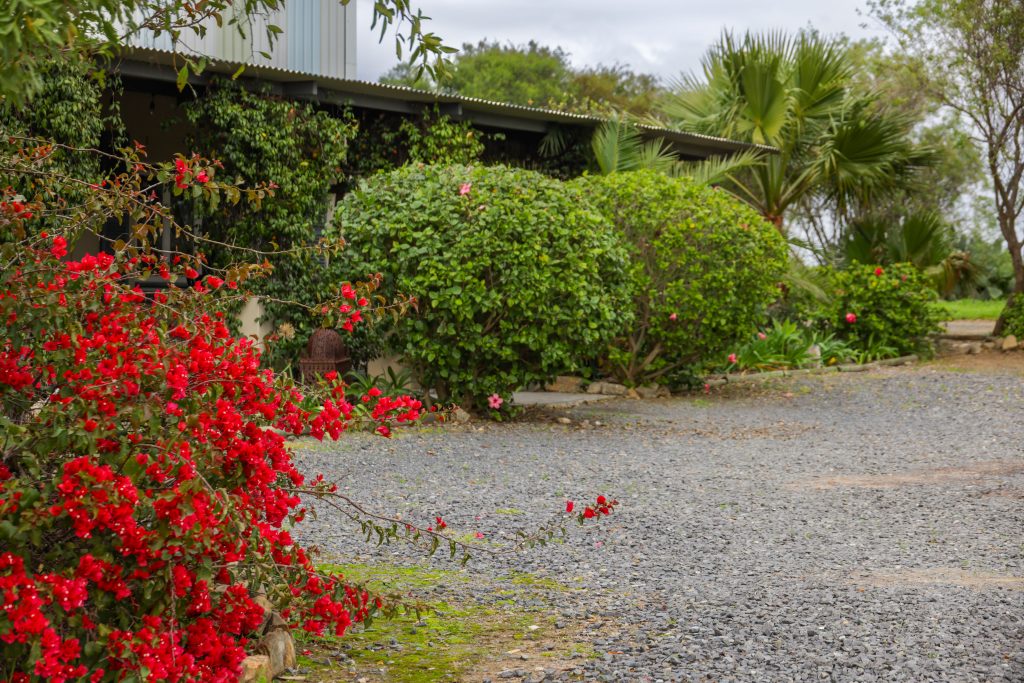
Large grassy areas often require the most water in a landscape.
Replacing portions of your lawn with decorative gravel creates clean, modern spaces while dramatically reducing irrigation needs. Gravel comes in various colors and sizes, allowing you to customize the look to complement your home’s exterior.
Combining gravel with drought-tolerant plants prevents the landscape from feeling too bare.
Proper edging helps keep gravel neatly contained.
Decorative gravel works well for:
- Walkways
- Side yards
- Garden borders
- Seating areas
- Dry creek beds
2. Plant Native Species
Native plants have naturally adapted to your local climate, making them excellent choices for drought-resistant landscapes.
Because they evolved in your region, they often require less supplemental watering and fewer chemical treatments than non-native species.
Native plants also support local wildlife by providing food and shelter for birds, butterflies, and beneficial insects.
Research plants recommended specifically for your growing zone.
Native plants often offer:
- Better drought tolerance
- Lower maintenance
- Pollinator support
- Improved survival
- Seasonal beauty
3. Use Mulch Generously
Mulch helps conserve moisture by reducing evaporation from the soil.
Organic mulch also suppresses weeds, moderates soil temperatures, and gradually improves soil quality as it decomposes.
Apply several inches around trees, shrubs, and flower beds while leaving space around plant stems to prevent rot.
Fresh mulch instantly gives planting beds a clean, finished appearance.
Mulch benefits include:
- Moisture retention
- Weed control
- Better soil health
- Temperature regulation
- Attractive appearance
4. Add Ornamental Grasses
Ornamental grasses provide texture, movement, and year-round interest while thriving in many dry conditions.
Available in numerous heights and colors, they pair beautifully with flowering perennials and decorative stone.
Many varieties require only occasional trimming once established.
Their graceful appearance softens hardscape features throughout the landscape.
Popular ornamental grasses include:
- Fountain grass
- Blue fescue
- Feather reed grass
- Switchgrass
- Little bluestem
5. Create Rock Gardens
Rock gardens combine decorative stone with drought-resistant plants to create visually interesting landscapes that require very little watering.
Different sizes, colors, and textures of stone add dimension while helping retain soil moisture beneath the surface.
Succulents, sedums, and alpine plants often thrive in these settings.
Rock gardens work especially well on slopes or difficult planting areas.
Rock garden elements include:
- Boulders
- Decorative gravel
- Succulents
- Small shrubs
- Ground covers
6. Choose Succulents
Succulents store water inside their leaves, allowing them to survive long periods without rainfall.
Available in countless shapes and colors, they create striking displays in planting beds, containers, and rock gardens.
Although they prefer well-drained soil, most require very little maintenance once established.
Protect sensitive varieties during freezing weather if necessary.
Succulent advantages:
- Excellent drought tolerance
- Unique appearance
- Low maintenance
- Minimal watering
- Container friendly
7. Install Drip Irrigation
Efficient irrigation systems deliver water directly to plant roots instead of spraying large areas.
Drip irrigation minimizes evaporation while helping plants receive consistent moisture during dry periods.
Automatic timers further improve efficiency by watering only when necessary.
These systems reduce water waste compared with many traditional sprinklers.
Drip irrigation provides:
- Efficient watering
- Less evaporation
- Healthier plants
- Reduced runoff
- Lower water use
8. Use Ground Covers Instead of Grass
Ground cover plants spread naturally while requiring less maintenance than traditional lawns.
Many drought-tolerant varieties produce attractive flowers or colorful foliage that adds seasonal interest.
Ground covers also help reduce erosion and suppress weeds.
Choose species appropriate for your climate and sunlight conditions.
Ground cover options include:
- Creeping thyme
- Sedum
- Ice plant
- Creeping phlox
- Dwarf mondo grass
9. Incorporate Shade Trees
Properly placed trees help cool outdoor spaces while protecting plants beneath them from excessive sun exposure.
Shade also reduces evaporation from surrounding soil.
When selecting trees, choose varieties suited to your climate and available growing space.
Healthy trees provide beauty for decades.
Benefits of shade trees:
- Cooler outdoor spaces
- Reduced evaporation
- Increased property value
- Wildlife habitat
- Seasonal interest
10. Mix Hardscaping With Plants
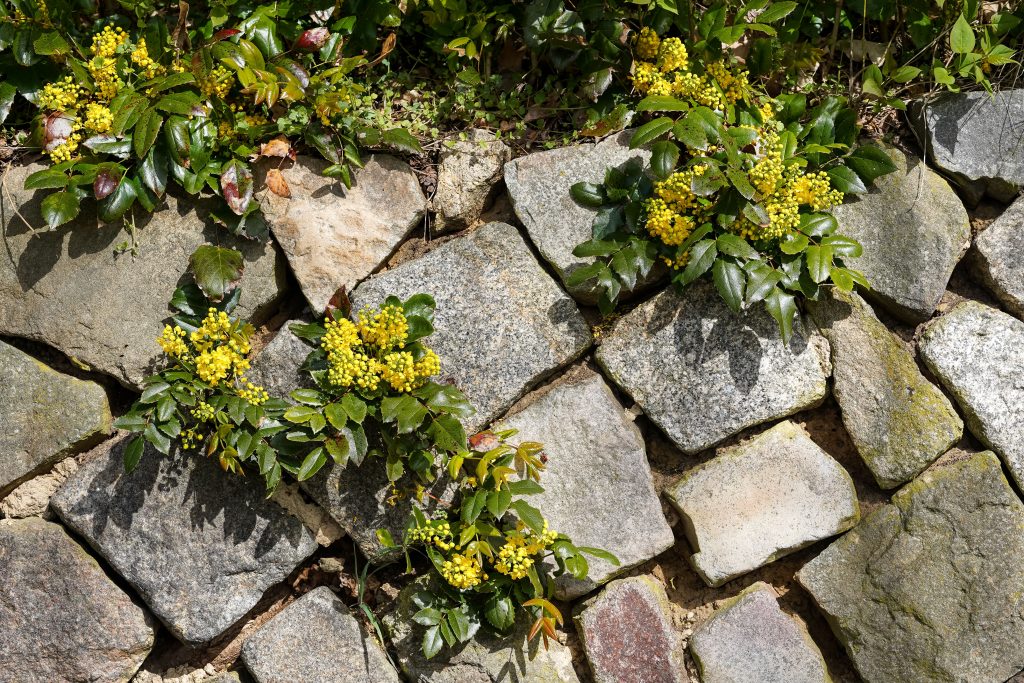
Combining patios, stepping stones, retaining walls, and decorative pathways with drought-tolerant plantings creates visual balance throughout the yard.
Hardscape features require little maintenance while reducing the total area that needs watering.
This approach also improves accessibility and outdoor functionality.
Careful planning helps the entire landscape feel cohesive.
Hardscape ideas include:
- Stone patios
- Paver walkways
- Retaining walls
- Decorative borders
- Seating areas
11. Group Plants by Water Needs
Plants with similar watering requirements should be placed together whenever possible.
This landscaping technique makes irrigation more efficient while preventing overwatering or underwatering certain plants.
Grouping compatible plants simplifies long-term maintenance and supports healthier growth.
Planning ahead saves time later.
Group plants based on:
- Water needs
- Sun exposure
- Soil type
- Mature size
- Maintenance level
12. Add Color With Hardy Perennials
Perennials return year after year, reducing the need for seasonal replanting.
Many drought-tolerant varieties bloom beautifully while requiring relatively little supplemental watering after becoming established.
Selecting plants with staggered bloom times keeps your landscape colorful throughout much of the growing season.
Diverse plantings create greater visual interest.
Colorful perennials include:
- Lavender
- Coneflower
- Black-eyed Susan
- Russian sage
- Yarrow
13. Plan Improvements Together
Large landscaping projects often work best when viewed as part of your home’s overall exterior design.
For homeowners coordinating multiple exterior home improvements, combining landscaping updates with new walkways, lighting, fencing, or exterior painting creates a more unified appearance while reducing repeated construction work.
Planning projects together may also help minimize disruption and improve overall project efficiency.
A comprehensive plan often delivers better long-term results.
Projects to coordinate include:
- Landscaping
- Lighting
- Walkways
- Fencing
- Exterior paint
- Irrigation
14. Boost Your Home’s Appearance
Thoughtful landscaping has a significant impact on how your home looks from the street.
Colorful plantings, clean borders, healthy shrubs, decorative stone, and attractive walkways all contribute to improving curb appeal with landscaping while reducing ongoing maintenance demands.
Even modest updates can make a noticeable difference in the overall appearance of your property.
Consistency creates the strongest visual impact.
Simple curb appeal improvements:
- Fresh mulch
- Trimmed shrubs
- Clean edging
- Colorful flowers
- Decorative pathways
15. Save Water and Reduce Costs
One of the greatest long-term benefits of drought-tolerant landscaping is reduced water consumption.
Using native plants, efficient irrigation, mulch, and smaller lawn areas contributes to lowering monthly utility expenses by decreasing outdoor water use.
In addition to saving money, water-efficient landscapes place less strain on local water resources during dry seasons.
Small improvements accumulate into meaningful savings over time.
Water-saving strategies include:
- Native plants
- Drip irrigation
- Mulch
- Ground covers
- Reduced lawn areas
Maintain Your Landscape for Long-Term Success
Even low-maintenance landscapes benefit from routine care.
Inspect irrigation systems periodically, remove weeds before they spread, prune shrubs when necessary, and replace damaged plants promptly.
Regular maintenance also contributes to keeping your home safe and functional by ensuring pathways remain clear, trees stay healthy, and visibility around entrances is maintained.
Consistent care helps preserve your investment while preventing larger problems later.
Routine maintenance includes:
- Inspect irrigation
- Pull weeds
- Prune shrubs
- Refresh mulch
- Check pathways
- Remove dead branches
Final Thoughts
Drought-tolerant landscaping offers an attractive way to reduce water use while creating a beautiful outdoor environment that requires less ongoing maintenance. By combining native plants, ornamental grasses, succulents, decorative stone, efficient irrigation, and thoughtful hardscaping, you can design a landscape that remains colorful and inviting throughout the seasons.
The key to success is careful planning. Focus on choosing plants that thrive in your local climate, grouping them according to their water needs, and using mulch and drip irrigation to maximize efficiency. Over time, these practical decisions reduce maintenance, conserve water, and help control long-term landscaping costs.
Whether you’re replacing a large lawn or simply updating a few garden beds, drought-friendly landscaping proves that beautiful outdoor spaces don’t have to demand constant work or excessive watering. With smart design and regular care, you can enjoy a low-maintenance yard that enhances your home’s appearance while supporting a more sustainable way of living.
