
Maximizing the financial return on your residential property requires a fundamental shift in perspective. For many property owners, maintenance is viewed through a reactive lens: fixing a leaking pipe when it bursts, replacing a cracked window pane after a storm, or repainting a room only when the old finish begins to peel. However, shifting from a mindset of passive preservation to one of active, strategic equity generation is what separates average home appreciation from exceptional property valuation. Every dollar invested in your dwelling should be evaluated not merely as an immediate expense, but as a calculated capital deployment designed to compound your net worth over time.
Understanding current real estate market dynamics is crucial when planning high-value home improvements. Modern prospective buyers, licensed property appraisers, and home inspectors assess homes through a far more analytical filter than previous generations. Energy efficiency standards, low-maintenance interior materials, structural integrity, and long-term durability now heavily drive valuation metrics alongside traditional cosmetic appeal. Buyers are increasingly willing to pay a premium for properties that promise low operational costs and minimal immediate capital expenditure requirements post-purchase.
To navigate this landscape effectively, property owners need a structured, practical approach to prioritizing improvement projects. Capital allocation must be balanced between cosmetic upgrades that immediately catch the eye and foundational enhancements that protect the structural integrity of the asset. By following a systematic checklist, you can address high-ROI tasks in a logical sequence, ensuring that foundational protections are locked down before high-end finishes are applied. This comprehensive guide outlines the critical operational steps necessary to elevate your property’s market performance, structural resilience, and overall living quality this year.
High-Impact Interior Surface Refinements
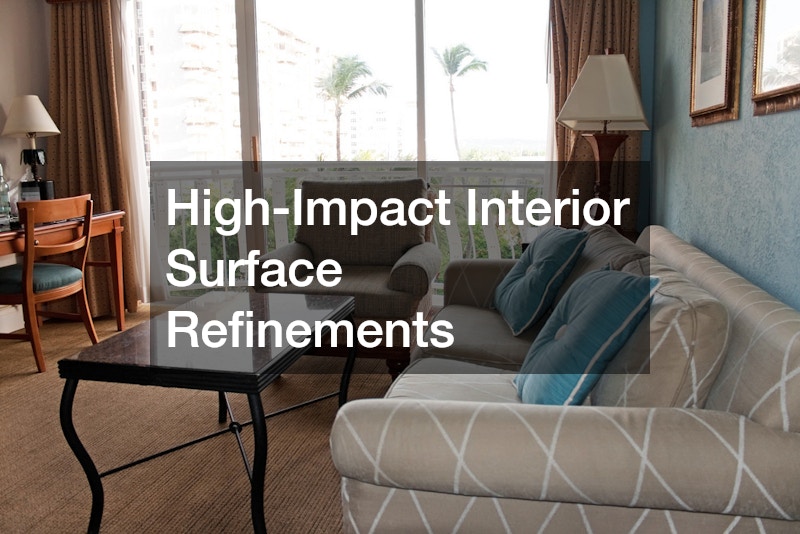
The interior surfaces of a property form the backdrop of every prospective buyer’s evaluation, acting as a primary indicator of how well the home has been cared for over its lifetime. Flooring, in particular, endures the highest physical wear and tear of any household surface, making it a critical focus area when preparing a property for maximum equity return. Over years of daily foot traffic, accidental spills, and shifting furniture, original flooring materials lose their finish, absorb ambient moisture, and accumulate permanent micro-abrasions that dull their appearance. Refreshing these surfaces creates an immediate perception of modernity, cleanliness, and structural care that resonates throughout the entire residence.
When evaluating high-traffic corridors, mudrooms, kitchens, and main living zones, traditional materials like natural hardwood or standard sheet vinyl often reveal clear vulnerabilities. Natural hardwoods, while historically prized, require ongoing sanding, refinishing, and strict humidity control to prevent cupping, crowning, and surface gapping over time. Today’s property owners are increasingly transitioning toward resilient materials that mimic luxury aesthetics without the associated ongoing physical degradation. Selecting high-density luxury vinyl plank floors provides an exceptional balance of structural stability, dimensional resilience, and high-grade aesthetic warmth. These engineered plank systems utilize rigid mineral-core or dense composite backings that offer total water resistance, making them ideal for areas susceptible to moisture while maintaining an elevated visual profile. Before installation, careful subfloor preparation is imperative; levelling compounds must be applied to eliminate subfloor dips, and moisture vapor testing must be conducted to ensure that concrete or plywood substrates do not compromise the adhesive or click-lock mechanism over decades of use.
Simultaneously, existing soft surfaces in bedroom quarters, formal sitting rooms, or lower-level spaces require critical evaluation to determine whether restoration or outright tear-out is necessary. Wall-to-wall carpeting and valuable area rugs collect deep-seated particulate matter, pet dander, micro-pollutants, and stubborn organic stains that standard household vacuums simply cannot extract. Rather than replacing high-end woven pieces or semi-permanent textiles prematurely, engaging professional rug cleaners allows homeowners to deeply sanitize materials using industrial-grade extraction equipment. These specialists employ temperature-controlled hot water extraction, targeted enzyme treatments, and specialized drying protocols that break down bound soil matrices without damaging sensitive natural fibers like wool or silk. Eliminating lingering odors and reviving textile fiber pile restores tactile softness and visual clarity, transforming potentially tired room features into polished architectural highlights.
Garage Optimization and Heavy-Duty Floor Treatments
The garage is frequently relegated to an afterthought in standard home maintenance routines, often accumulating clutter, housing utility hardware, and enduring severe chemical exposure from parked vehicles. However, in modern residential valuation, a fully finished, ultra-clean garage serves as a powerful selling feature that signals comprehensive property care. Expanding the functional footprint of a home into the garage effectively increases usable square footage, creating flexible spaces for workshops, high-end storage, or secondary living and fitness zones that modern buyers actively seek out.
Raw, untreated concrete garage floors are inherently porous, acting like a rigid sponge that readily absorbs motor oil, road salts, battery acids, and airborne moisture. Over time, this exposure leads to surface dusting, unsightly chemical staining, freeze-thaw spalling, and fine structural cracking. Resolving these issues requires moving beyond simple acrylic concrete sealers, which quickly break down under tire heat, friction, and mechanical abrasion. Applying industrial-grade residential floor coatings creates an impermeable barrier that seals concrete pores, prevents dust generation, and resists harsh automotive fluids, road salts, and hot-tire pickup. Proper installation mandates aggressive mechanical preparation, typically involving diamond-grinding or shot-blasting the concrete surface to open the mechanical pores and achieve an optimal concrete surface profile before chemical application.
For ultimate longevity, aesthetic impact, and impact resistance, full-broadcast polyaspartic and epoxy garage flooring systems represent the gold standard in modern floor fortification. These multi-layer systems combine a deep-penetrating base coat with decorative vinyl color flakes and a high-solids clear topcoat that cures into an ultra-tough finish. The resulting surface is completely seamless, moisture-impermeable, and exceptionally easy to sanitize using standard neutral cleaners. Beyond the floor itself, completing the garage transformation involves coating lower stem walls, installing elevated modular cabinetry systems, and integrating heavy-duty overhead ceiling racks to keep floor spaces clear and maximize architectural volume.
Structural and Roof-Level Exterior Protection

A property’s exterior envelope serves as its primary defense against environmental degradation, structural settling, and weather-driven moisture intrusion. While interior finishes drive emotional connection during a property evaluation, structural integrity and upper-level weatherproofing dictate hard market valuation and inspector approvals. Neglecting upper-level exterior components leads directly to hidden framing rot, attic mold proliferation, insulation degradation, and catastrophic water damage that rapidly destroys accumulated home equity.
The roof system is arguably the most critical single assembly protecting your real estate investment. Conducting systematic, twice-yearly inspections allows homeowners to catch early indicators of material failure long before active water drips through interior ceilings. Common flags include missing or curling asphalt shingles, cracked pipe boots, compromised valley step flashing, and localized granule loss collecting inside drainage pathways. Partnering with a licensed, fully insured roofer ensures that these subtle vulnerabilities are evaluated through a professional structural lens. An experienced specialist can evaluate attic ventilation dynamics, check rafter connection points, verify proper underlayment integrity, and perform targeted repairs or full material replacements using architectural shingles, standing seam metal, or synthetic slate systems engineered for decades of service life.
Directly tied to the performance of the roof assembly is the home’s primary water diversion network. When rainwater cascades off roof slopes without controlled channeling, it pools directly around the home’s perimeter foundation, leading to hydrostatic pressure build-up, basement wall bowing, and foundation settling. Simple sectional gutters with seam joints every ten feet almost inevitably develop slow leaks, rot fascia boards, and clog at connection points. Commissioning a skilled seamless gutter installer eliminates these weak links by custom-extruding single-piece aluminum or copper gutters on-site to match the exact dimensions of your roofline. Integrated with oversized downspouts and leaf-exclusion guard systems, these continuous channels collect high volumes of runoff and redirect water safely away from foundation walls and perimeter landscaping beds.
Off-Grid Energy Reliability and Severe Weather Resilience
Modern homeowners face increasing climate volatility, extreme temperature swings, and aging municipal electrical grid infrastructure. As a result, home buyers place immense premium value on properties that feature decentralized, resilient energy systems and fortified structural safe zones. Transforming a standard suburban dwelling into a self-sustaining home provides exceptional peace of mind while dramatically boosting long-term functional equity and insurance appeal.
Securing a reliable, independent fuel source is a cornerstone of advanced property resilience. While standard municipal electric lines remain susceptible to storm disruptions, line failures, and rolling blackouts, dedicated fuel reserves allow a home to maintain uninterrupted climate control, refrigeration, lighting, and medical device operation during extended grid outages. Installing high-capacity residential propane storage systems provides an exceptionally stable, clean-burning, and long-shelf-life energy solution. Unlike gasoline or diesel, which degrade within months and require active stabilization, clean fuel stored in dedicated above-ground or underground tanks remains fully viable for years without maintenance. These systems seamlessly power high-output automatic standby generators, high-efficiency hydronic space heaters, tankless water heaters, and outdoor cooking equipment, ensuring complete functional autonomy during local utility crises.
Complementing energy independence is the installation of structural, life-safety fortresses designed to withstand severe convective storms, high-wind events, and extreme atmospheric pressure drops. In areas vulnerable to severe weather, incorporating engineered subterranean or reinforced above-ground storm shelters provides unyielding physical protection for household occupants. These fortified units are constructed using heavy-gauge structural steel, reinforced precast concrete, or high-density polymer composites anchor-bolted directly into concrete foundation slabs or subterranean excavations. Certified to withstand severe impact forces, these units double as secure, fire-rated vaults for valuable personal assets, gun collections, and critical legal documents, providing a massive selling feature that sets a property apart from surrounding market competition.
Strategic Pre-Market Preparation and Transition Logistics

The final phase of maximizing home value focuses on presentation, spatial flow, and executing a seamless transition when the property is brought to market. High-end renovations, premium materials, and resilient upgrades require thoughtful staging and clear structural presentation to communicate their true value to prospective buyers and real estate professionals. Presenting a pristine, decluttered home allows buyers to project their own lifestyles onto the space without being distracted by personal belongings, visual chaos, or overdue minor maintenance tasks.
Creating a compelling market presentation begins with a systematic, top-to-bottom decluttering strategy that highlights interior architectural sightlines and amplifies natural illumination. Over years of occupancy, personal collections, extra furniture pieces, and seasonal storage items crowd rooms, making generous floor plans feel cramped and restrictive. Removing excess inventory opens up walking pathways, emphasizes room dimensions, and highlights newly installed flooring surfaces and pristine paint finishes. When listing a premium home for sale, hiring professional real estate photographers and staging specialists ensures that the spatial flow, high-end materials, and structural details are captured with high-definition clarity for digital marketing platforms, driving higher foot traffic and competitive purchase offers.
Managing the physical mechanics of packing, decluttering, and clearing out a large home requires structured operational planning to prevent damage to newly upgraded interior surfaces. Attempting to move heavy furniture, packed crates, and bulky appliances without professional equipment often leads to scuffed baseboards, scratched floor finishes, and dented door frames right before open houses. Contracting reputable full-service moving services ensures that heavy assets are professionally wrapped, padded, and transported using floor-protection runners, specialized dollies, and air-ride transit vehicles. Professional movers streamline pre-closing pack-outs, manage short-term off-site climate-controlled storage needs, and preserve the flawless condition of your newly renovated property throughout the selling process.
Using These Strategies for Your Home

Elevating the market value and operational performance of your property requires moving away from piecemeal repairs toward a structured, holistic improvement plan. By systematically addressing interior surface finishes, expanding garage functionality, reinforcing roof and drainage protection, establishing off-grid utility reliability, and executing professional pre-market presentation, you build a home that excels in durability, energy efficiency, and high-end market appeal. Each strategic renovation layer reinforces the next, creating a fortified asset that stands out in any real estate climate.
Executing this comprehensive checklist allows property owners to optimize their capital investments, mitigate unforeseen structural risks, and command top-tier equity yields. Whether your goal is to enjoy a modern, resilient home for years to come or to position your property for a highly lucrative transaction on the open market, taking deliberate action today guarantees lasting financial and operational dividends. Gather your assessments, prioritize your project timeline, engage certified trade specialists, and systematically transform your property into a high-value real estate asset.
