
When it comes time to sell, not every home improvement adds equal value in a buyer’s eyes. Fresh paint and staged furniture might catch a glance, but savvy buyers and their inspectors are looking much deeper, at the roof, the foundation, the mechanical systems, and the septic setup. Investing in the wrong upgrades can drain your budget without moving the needle on your sale price or timeline. This guide breaks down the structural and system improvements that actually influence buyer confidence and closing decisions, so you can spend wisely and negotiate from a position of strength.
Roof Condition and Age Buyers Always Ask About
The roof is one of the first things a buyer’s inspector examines, and it is often the single biggest red flag that stalls a sale. A roof nearing the end of its lifespan signals thousands of dollars in future expense, and buyers know it, so they will either walk away or demand a price reduction. Getting ahead of this means understanding exactly what condition your roof is in before you list the property.
Bringing in experienced roofing contractors for an honest assessment gives you leverage rather than surprises. They can tell you whether you are looking at a simple patch job or a full replacement, and that distinction matters enormously to your bottom line. A well-documented, recent roof job is one of the few upgrades that buyers will specifically mention as a reason they made an offer.
- Ask for a written inspection report, not just a verbal opinion
- Find out the remaining lifespan of shingles, flashing, and underlayment
- Request photos of any problem areas found during the inspection
- Confirm whether attic ventilation is contributing to premature wear
Timing Repairs Before You List Your Property

Small roof issues left unaddressed tend to grow into bigger, more expensive problems right around the time a buyer’s inspector finds them. Scheduling roof repair before listing, rather than after an inspection contingency forces the issue, puts you in control of the cost and the contractor. The same logic applies below ground, since arranging septic pumping ahead of time avoids the risk of a backup or odor complaint souring a buyer’s impression during a walkthrough. It also means you are not negotiating from a weakened position after a buyer has already fallen in love with the house and then found a leak.
Timing matters here because minor repairs completed months in advance look intentional and well-maintained, while last-minute patch jobs can look rushed or hastily concealed. Buyers and their agents can often tell the difference, and it affects trust in the rest of your disclosures. A roof that has clearly been cared for gives buyers confidence that other systems in the home have received the same attention.
- Fix minor leaks and missing shingles as soon as they appear
- Keep receipts and warranties from any repair work
- Address gutter and downspout issues at the same time
- Avoid cosmetic-only fixes that ignore underlying deck damage
Getting Multiple Quotes Before Committing to Work
Before committing to any major repair or replacement, it pays to gather several roof estimates rather than accepting the first number you receive. Prices can vary significantly between contractors depending on materials, labor rates, and how busy their schedule is, and a wide range of quotes helps you understand what is actually reasonable for your area. This is especially important if you plan to offer a repair credit to a buyer instead of doing the work yourself.
Comparing estimates also gives you negotiating material if a buyer’s inspection turns up roof issues after you are already under contract. You will already know roughly what the repair should cost, which prevents you from overpaying for a rushed fix under deal pressure. Sellers who walk in informed tend to close deals faster and with fewer last-minute concessions.
- Request itemized quotes broken down by material and labor
- Ask each contractor about warranty length and transferability
- Compare timelines, since a faster job may cost more
- Confirm whether permits are included in the quoted price
Septic System Maintenance That Reassures Inspectors

For homes not connected to municipal sewer lines, the septic system is a major point of scrutiny during a sale, and buyers are increasingly aware of how expensive septic failures can be. A full replacement can run anywhere from $5,000 to $20,000 or more depending on the system type and soil conditions, so it’s no surprise that lenders and inspectors alike treat septic health as a red flag issue rather than a minor detail. Regular septic service — including tank pumping every three to five years, inspection of the drain field, and monitoring of effluent filters — keeps the system functioning properly and produces a maintenance record that reassures buyers the system has not been neglected. A documented history also helps identify small issues, like a cracked baffle or a slow-draining leach field, before they turn into costly failures that surface during a buyer’s inspection. Without that documentation, buyers often assume the worst and price their offer accordingly, sometimes requesting a full septic inspection or a credit against future repairs. Sellers who can produce pump-out receipts, inspection reports, and a diagram of the tank and drain field location put buyers at ease and remove a common point of negotiation leverage. In many cases, that paperwork is the difference between a smooth closing and a buyer walking away entirely.
A key part of that maintenance is making sure you pump out septic tank buildup on a regular schedule rather than waiting until there’s a visible problem. Most residential systems need this done every three to five years, though the right interval depends on household size, tank capacity, and how much water the home actually uses. A family of five with a 1,000-gallon tank will need service more often than a couple in the same house, so it’s worth asking a septic professional to calculate a schedule specific to your setup rather than relying on a generic rule of thumb. Skipping scheduled pump-outs can lead to solids overflowing into the drain field, which causes backups, foul odors, and soggy patches in the yard that are far more expensive to fix than the maintenance itself. A drain field failure in particular can run into thousands of dollars in repair or replacement costs, and it’s one of the few issues that can genuinely derail a sale if it surfaces during inspection. Buyers and their inspectors know this, which is why they tend to scrutinize septic records closely. Having a recent pump-out on record, along with a full inspection report noting tank condition, baffle integrity, and drain field function, gives buyers concrete evidence the system is sound. Keeping receipts and service dates organized in one folder also signals to buyers that the home has been cared for consistently, not just patched up right before listing.
- Keep records of every septic service visit, including pumping dates, repairs, and inspector findings, ideally spanning the last 3-5 years
- Note the exact location of the tank, lid access points, and drain field on a simple diagram for future owners
- Watch for slow drains, gurgling pipes, or soggy patches in the yard, as these often signal a failing drain field
- Schedule a pre-sale inspection specifically for the septic system, since many buyers’ lenders require one before closing
- Pump the tank if it’s been more than 2-3 years since the last service, as full inspection reports look stronger with a recent pump-out on file
- Ask your septic service provider for a written summary of tank condition, sludge levels, and estimated remaining lifespan
Insulation Upgrades That Improve Energy Bills
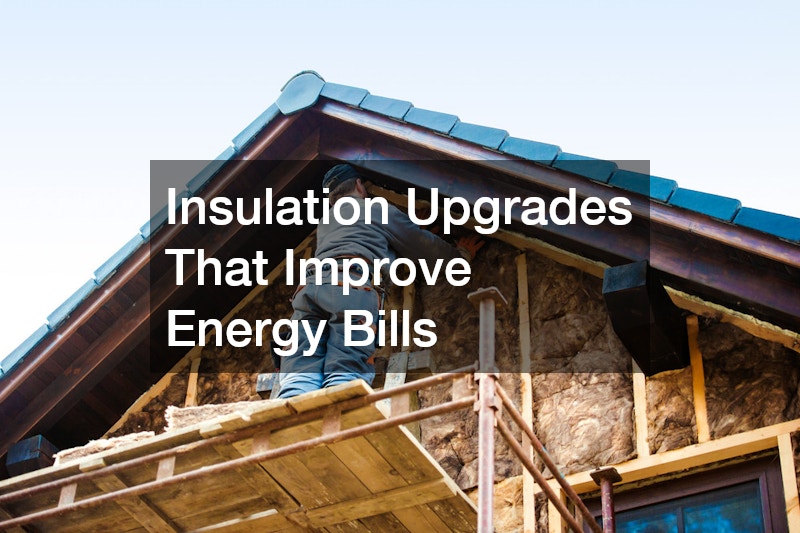
Buyers today pay close attention to energy efficiency, and outdated or insufficient insulation shows up quickly on utility bills and comfort complaints during a walkthrough. A drafty upstairs bedroom, a furnace that runs constantly, or an attic with insulation rated below R-30 are the kinds of issues inspectors flag and buyers remember. Bringing in insulation contractors to evaluate attic, wall, and crawl space insulation can reveal gaps that are costing you money right now, not just affecting a future sale. Many contractors offer blower door tests or thermal imaging scans that pinpoint exactly where air is escaping, whether it’s around rim joists, attic hatches, or older fiberglass batts that have settled and lost effectiveness over time. Common upgrades include adding blown-in cellulose to attics, sealing and insulating crawl spaces with vapor barriers, and replacing thin wall insulation in older homes with spray foam or dense-pack cellulose. These projects often cost a few hundred to a few thousand dollars depending on square footage, but they can meaningfully cut heating and cooling costs. An energy-efficient home is genuinely easier to market because buyers can picture lower monthly costs from day one. Listing agents can even cite recent utility bills or an energy audit report as concrete proof, giving buyers a tangible number rather than a vague promise of savings.
For homes with older or minimal insulation, upgrading to the material preferred by spray foam insulation contractors can dramatically improve both comfort and efficiency in a single project. Spray foam seals gaps that traditional batt insulation often misses, particularly around wiring, plumbing penetrations, and irregular framing. Homeowners typically see attic or wall cavities sealed to an airtightness that fiberglass simply can’t match, which translates into fewer drafts and more consistent room-to-room temperatures. The cost difference is real: spray foam can run two to three times more than fiberglass per square foot, but many homeowners recoup part of that investment through lower monthly utility bills, sometimes a 15-20% reduction in heating and cooling costs depending on the home’s age and climate zone. Reputable insulation contractors can walk sellers through open-cell versus closed-cell options, since closed-cell foam offers a higher R-value and added moisture resistance, making it a smart choice for basements, rim joists, and crawl spaces prone to humidity. While it costs more upfront than fiberglass, many sellers find that highlighting this upgrade in a listing helps justify asking price and speeds up buyer decision-making. Pairing the upgrade with a blower-door test result or a recent energy audit gives buyers concrete numbers to evaluate, rather than a vague promise of “better insulation.” That documentation, combined with receipts from licensed contractors, often reassures buyers that the work was done to code and will hold up over time.
- Get an energy audit before choosing an insulation type — many utility companies offer these for free or under $150 and will pinpoint exact heat-loss zones
- Ask about R-values appropriate for your climate zone (attics typically need R-38 to R-60 in cold regions, R-30 to R-49 in mixed climates)
- Compare spray foam against blown-in and batt options for cost and performance: spray foam runs $1.50-$3.50 per square foot but seals air leaks; blown-in cellulose costs less and works well for irregular spaces; batts remain the budget choice for open, accessible areas
- Prioritize attics, rim joists, and crawl spaces first, since these areas typically offer the fastest payback on energy savings
- Factor in air sealing alongside insulation — gaps around wiring, plumbing, and ductwork can undercut even high R-value materials
- Request before-and-after documentation, including audit reports and contractor invoices, for your listing disclosures
- Highlight any manufacturer warranties or rebate program enrollments, since these add resale credibility and transferable value for buyers
Sourcing Materials That Hold Up to Inspection

Whether you are tackling a siding replacement, a deck rebuild, or insulation work, the quality of materials used matters just as much as the workmanship. Buying from reputable building supplies retailers ensures you are getting products that meet current code requirements and carry manufacturer warranties, rather than surplus or mismatched materials that raise questions during inspection. Inspectors and appraisers often note material quality in their reports, and it can influence how a buyer perceives the overall condition of the home.
Keeping receipts and product documentation from your building supplies purchases also gives future buyers confidence that repairs were done with proper materials rather than corners cut. This paperwork becomes part of your disclosure packet and can speed up negotiations if questions arise. A little organization here saves considerable back-and-forth once the home is under contract.
- Save all receipts and warranty cards from material purchases
- Match replacement materials to existing code requirements
- Avoid mixing incompatible products, such as certain sealants and flooring adhesives
- Keep a simple folder of documentation to hand off at closing
Buyers notice the systems that protect their investment long after the sale closes, which is why roofs, septic systems, and insulation deserve attention before foundations get cracked or leaks appear. Start by getting honest assessments from qualified professionals, gather documentation as you go, and tackle repairs on your timeline rather than the buyer’s. A little proactive planning now can mean a smoother inspection period, fewer surprises, and a stronger final sale price.
