
You do not need a second mortgage or a gutted kitchen to raise your home’s value. Some of the biggest returns come from small, focused weekends spent fixing the things buyers and appraisers quietly notice, like a tired deck, a musty crawlspace, or a patchy lawn. This guide walks through practical, budget-friendly projects that add real dollars to your home’s worth without swallowing your whole summer. Each one is doable in a weekend or two, often with help from a single specialist rather than a full renovation crew.
Refresh Your Backyard Seating Area
A worn-out patio set can make an otherwise beautiful backyard look neglected, and that impression carries weight with anyone touring your home. Swapping in fresh, weather-resistant outdoor furniture is one of the fastest ways to make a backyard feel finished, and it photographs well for listings too. Look for pieces made from powder-coated aluminum, teak, or all-weather wicker, since these hold up against sun and rain far better than basic resin chairs.
You do not need to furnish the whole yard at once. Start with a dining set or a small conversation area near the door, since that is the zone most visitors actually use.
- Choose cushions with removable, washable covers to extend their lifespan
- Anchor lightweight pieces so they do not blow around in storms
- Mix in a shade umbrella or pergola accent for immediate visual impact
- Stick to neutral tones so the space appeals to a wide range of tastes
Fix Small Roof Issues Before They Grow

A roof in poor condition is one of the fastest ways to scare off a buyer or trigger a costly insurance issue, yet many problems start small and cheap to fix. Missing shingles, cracked flashing, or a small soft spot near a vent can usually be handled in a single visit if you catch them early. Bringing in roofers for a quick inspection costs far less than waiting until a leak spreads into your ceiling or attic insulation.
Many homeowners are surprised to learn that a roof does not need full replacement to add value; targeted repairs plus a professional cleaning often do the trick. Ask your roofers to check flashing around chimneys and skylights, since these are common leak points that are easy to miss from the ground.
- Schedule roof inspections after major storms or once a year at minimum
- Replace cracked or curling shingles before they let water underneath
- Clear gutters so water does not back up under the roofline
- Keep receipts and photos of repairs for future resale documentation
Keep Your Cooling System Running Efficiently
An air conditioner that struggles in July is a red flag to buyers and a drain on your summer budget. Scheduling AC repair before the peak season hits can resolve small issues, like a low refrigerant charge or a dirty coil, before they turn into a full system failure. A unit that runs efficiently also uses less energy, which shows up as a selling point when you can point to lower utility bills.
Weekend maintenance can go a long way toward avoiding an emergency call. Replacing filters monthly, clearing debris from the outdoor unit, and listening for unusual noises are all things a homeowner can handle without a technician.
- Replace air filters every one to three months depending on usage
- Keep two feet of clearance around the outdoor condenser unit
- Have refrigerant levels checked if cooling seems weaker than usual
- Consider a maintenance plan to catch issues before they become expensive
Stay Ahead of Your Septic System Maintenance
If your home relies on a septic system, regular upkeep protects both your yard and your resale value, since a failed system is one of the most expensive surprises a buyer can uncover during inspection. Routine septic pumping every three to five years keeps solids from building up and backing into your drain field. Skipping this step is one of the quietest ways homeowners lose money, because the damage often happens underground where it is not visible until it is severe.
A well-maintained septic system rarely comes up in casual conversation, but it becomes a major talking point the moment something goes wrong. Keeping documentation of your pumping schedule gives future buyers confidence and can even speed up a sale.
- Avoid flushing wipes, grease, or excess chemicals down the drain
- Keep a record of every pumping and inspection date
- Watch for slow drains or soggy patches near the drain field
- Have the tank inspected if you notice sewage odors indoors or outdoors
Restore Your Pool Deck for a Weekend Facelift

A cracked, faded pool deck can make an entire backyard feel dated, even if the pool itself is in great shape. Pool deck resurfacing is a project that typically takes a weekend and dramatically changes how the whole outdoor space reads to guests or potential buyers. Modern coatings can also reduce surface heat, which makes bare feet much happier during summer afternoons.
Beyond looks, resurfacing addresses safety concerns like slippery or uneven surfaces that can lead to falls. Many homeowners choose a textured finish specifically because it improves grip around wet areas without sacrificing style.
- Choose a slip-resistant finish for safety around water
- Pick lighter colors to reduce surface heat absorption
- Address cracks promptly to prevent water infiltration underneath
- Reseal every few years to protect against fading and wear
Update Key Rooms Without a Full Renovation
You do not need to gut your kitchen to see a return on your investment. Targeted home remodeling projects, like updating cabinet hardware, repainting walls, or swapping outdated light fixtures, can transform a room’s feel in a single weekend.
Kitchens and bathrooms tend to offer the biggest bang for your buck. Swapping brass knobs for matte black pulls, or replacing a builder-grade faucet with a brushed nickel model, can cost under $200 but make cabinetry look custom. A fresh coat of neutral paint in the kitchen or a fast-drying eggshell finish in the bathroom typically runs $50-$150 in supplies and can be finished in a day.
Lighting is another high-impact, low-effort fix. Replacing a dated flush-mount fixture with a modern pendant or updating dimmer switches instantly changes the ambiance of a dining room or living space, often for less than $300.
These smaller updates often deliver a strong return because they address the visual details buyers notice first. Small touches, like new cabinet pulls, coordinated finishes, or brighter, better-placed light, signal that a home has been cared for, even if the bones of the room haven’t changed at all.
Bathrooms are another area where small changes go a long way. New faucets, a modern mirror, or updated caulking can make a dated bathroom feel fresh without the cost of moving plumbing or knocking down walls. A brushed-nickel or matte-black faucet swap runs $50 to $150 per fixture and instantly updates a space that otherwise looks stuck in the past.
Regrouting tile and replacing worn caulk around the tub or shower is a half-day job that costs under $30 in materials but eliminates the mold and grime that make buyers assume bigger problems lurk behind the walls. Pair that with a new vanity light or a frameless mirror, and the whole room can look renovated for a few hundred dollars total.
Small storage upgrades matter too. Adding a medicine cabinet, a slim shelving unit, or a towel bar with matching hardware signals attention to detail that appraisers and buyers notice, even if they can’t quite pinpoint why the room feels more polished.
- Repaint with neutral, modern colors (soft grays, greiges, and warm whites) to appeal to more buyers and make rooms feel larger
- Update cabinet hardware for an inexpensive style refresh — swapping knobs and pulls for brushed nickel or matte black costs under $100 but modernizes an entire kitchen
- Replace outdated light fixtures with energy-efficient LED options, especially in kitchens, entryways, and bathrooms where lighting is most noticeable
- Focus on kitchens and bathrooms first, since they influence value most and can return 70-80% of their cost at resale
- Consider small upgrades within these spaces, like re-caulking tubs, replacing faucets, or adding a tile backsplash, for added impact without a full remodel
Design an Outdoor Living Space With Lasting Appeal

Curb appeal is not just about the front lawn anymore; buyers increasingly care about how usable and attractive the outdoor living space feels as a whole. Working with a hardscaping contractor to add a stone patio, walkway, or retaining wall can make your property feel more finished and better organized. These features also tend to require little maintenance once installed, which is appealing to busy homeowners.
A well-planned hardscape does more than look good, it also solves practical problems like poor drainage or awkward yard slopes. A qualified contractor can grade the area properly so water flows away from your foundation instead of pooling near it.
- Use pavers or natural stone for walkways that resist cracking
- Add a retaining wall on sloped yards to prevent erosion
- Incorporate lighting along paths for safety and ambiance
- Plan hardscaping before landscaping so plants are not disturbed later
Upgrade Your Kitchen With Durable Surfaces
Countertops are one of the first things people notice when they walk into a kitchen, and outdated laminate or chipped tile can drag down the whole room’s impression. Installing custom countertops in materials like quartz or granite gives a kitchen an instant upgrade and holds up well against daily wear. Because the installation itself is usually handled by a professional team, the disruption to your weekend is minimal even though the payoff is significant.
Choosing the right material matters as much as the look. Quartz resists staining and does not require sealing, while granite offers a natural stone appearance with slightly more maintenance.
- Quartz offers low maintenance and consistent patterning
- Granite provides a natural, one-of-a-kind look
- Butcher block adds warmth but requires more upkeep
- Get accurate measurements before ordering to avoid installation delays
Improve Comfort and Efficiency With Better Insulation
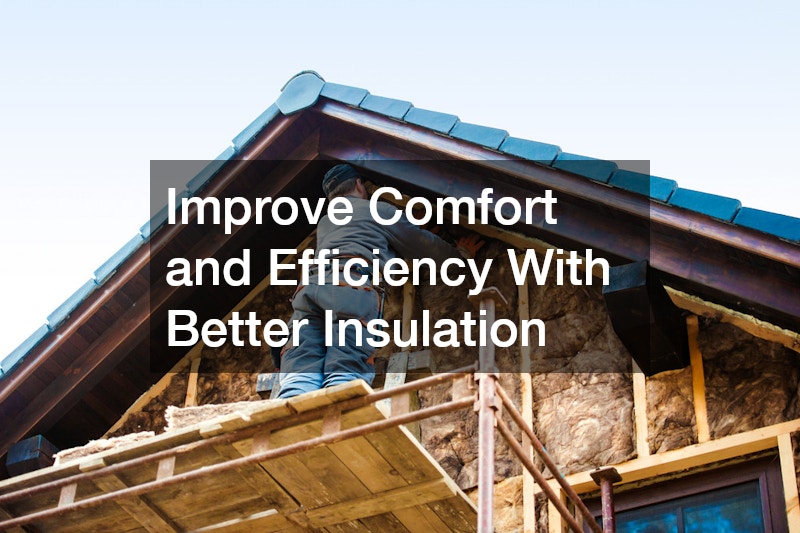
A drafty home is not just uncomfortable, it is also a sign of wasted energy that shows up on every utility bill. Investing in insulation services for your attic, walls, or crawlspace can noticeably lower heating and cooling costs while making rooms feel more even in temperature year-round. This is one of those improvements that buyers cannot see directly but absolutely feel when they tour a home in extreme weather.
Older homes especially benefit from an insulation upgrade, since many were built with materials that have settled or degraded over decades. A quick assessment can reveal gaps around windows, doors, and attic hatches that are easy to seal in a single weekend.
- Check attic insulation depth, since it often settles over time
- Seal gaps around recessed lighting and attic hatches
- Consider spray foam for hard-to-reach crawlspace areas
- Pair insulation upgrades with weatherstripping for maximum efficiency
Plan Smoothly When It Is Time to Relocate
Even the best home improvements eventually lead to a move, whether you are upgrading, downsizing, or relocating for work. Booking a reliable moving company early gives you more flexibility with scheduling and often better rates than waiting until the last minute. A good mover will also offer packing supplies and insurance options that protect your belongings during transit.
Planning your move around your renovation timeline can also prevent unnecessary stress. If you have just completed weekend upgrades like new countertops or fresh landscaping, coordinate the move date so those finishes have time to fully cure or settle before furniture and boxes come through the door.
- Book movers at least four to six weeks in advance during peak season
- Ask about insurance coverage for high-value items
- Get a written estimate that includes all potential fees
- Confirm timing around any recent home improvement work
None of these projects require a complete overhaul of your home or your schedule, just a series of focused weekends aimed at the details that matter most to value and comfort. Start with whichever area feels most overdue, whether that is a roof inspection, a tired patio, or an outdated kitchen surface, and build from there. Small, consistent investments add up quietly over time, and future you, whether staying put or preparing to sell, will be glad you got started now.
